
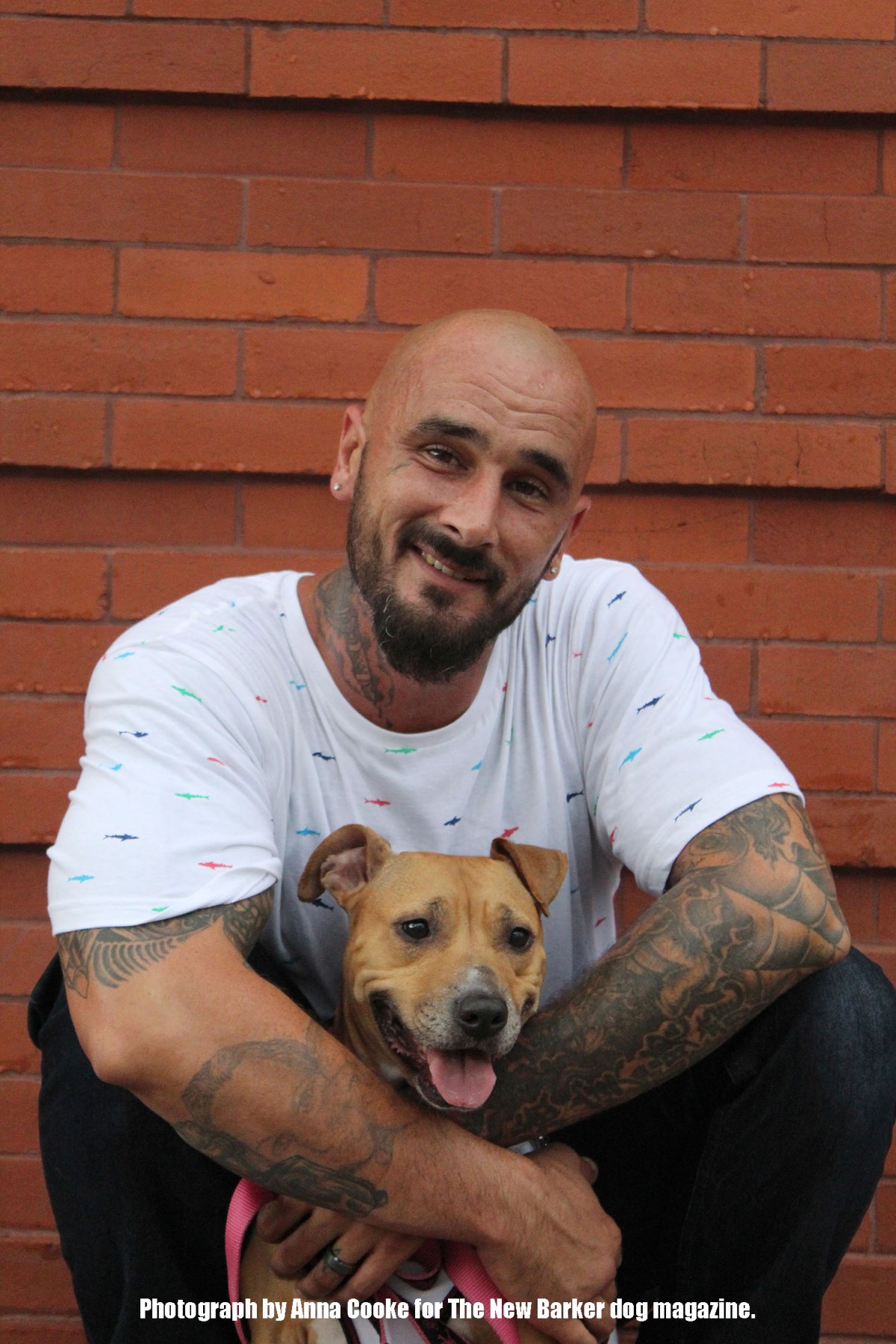

This story first appeared in the Summer/Fall 2018 edition of The New Barker dog magazine in our Men Who Love Dogs series. by Anna Cooke
FIGHTING HATE WITH LOVE. The longer you’re in prison, the more hardened you become. “Suddenly, a dog in my life I learned how to control my anger. I was allowed to finally show emotion because it was with a dog,” said Jason Bertrand. “Sugar Mama meant love. She gave me hope while I was in prison. She gave me a reason to want to get out.”
Having been incarcerated since the age of 12, Jason spent most of his life in prison. “Being a good person is not easy when you’re used to being a bad person, and you think it’s easier to be bad. I’ve lived my life in a fight mode. It was easier to stop someone physically than to talk it through,” he said. “But, I don’t want to be that guy anymore. The world I grew up in, isn’t this world. It’s kind of like the Tarzan movie, where the world he grew up in wasn’t the real world.”
Jason was released from prison in December 2016. “I’m beating the odds,” he told us. We spoke with Jason and his wife Crystal over a cup of coffee, outside Cappuccino’s Fine Wine & Espresso Bar in Dunedin in September 2018. We met Sugar Mama, the dog who helped Jason change his attitude and turn his life around while still in prison. They were introduced by the TAILS program.
TAILS (Teaching Animals and Inmates Life Skills) is a collaborative effort that brings together prison inmates and hard-to-adopt shelter dogs. Through partnerships with Northeast Florida shelters and the State of Florida Correctional System, dogs are placed in correctional facilities to be trained, socialized and cared for. The program was developed by First Coast No More Homeless Pets, now operated by Pit Sisters, a Jacksonville-based 501c3 organization that finds foster and permanent homes for hard-to-adopt dogs. Members of the Pit Sisters team assess at-risk dogs at the shelters to select candidates for the TAILS program, matching them with inmates signed up for the program. Pit Sisters also provides transport of the dogs to the correctional facilities.
“TAILS benefits dogs, trainers, families, prison staff and the entire community,” said Jennifer (Jen) Deane, founder and executive director of Pit Sisters. Sugar Mama had been confiscated in a raid to break up a dog fighting ring. She ended up at Putnam County Animal Control. Jason was at the Jacksonville Bridge Community Release Center, a transitional program, when Jen brought Sugar Mama there in April 2016.
When Jason first laid eyes on Sugar Mama, and was told her story, he was filled with a lot of different emotions, all at once. “Here is this dog, with scars and a broken back, recovering from surgery, and she’s smiling and wagging her tail,” said Jason. “I asked myself, why am I so angry? If this dog, with what she’s been through, can be happy, why couldn’t I be happy?”
As he sat with Sugar Mama at their first TAILS meeting, Jason also wondered what kind of person could do this to an innocent being? What kind of person could be so cruel and selfish and intimidating? “Then, I realized that the person I was describing was someone like me. I had been that kind of person.”
He breaks down easily at the memories of hurting the people he loved through his behavior; scaring people – the victims of his crimes. “Just when I think I’m over the tears, every time they come, I’m surprised by them. Prison made my heart calloused and hard. I shut down my emotions and became the kind of man that other men are afraid of. You’re either scared and victimized, or you’re tough. I was dangerous, because I felt that I had needed to be. And that’s how I lost myself. Sugar Mama gave me back my humanity. She melted my heart.”
The reality is, rehabilitation at the Department of Corrections doesn’t exist. In 2018, the Florida Legislature passed and Governor Rick Scott signed an $87 million budget that was $28 million short in prison funding. To close the gap, the Florida Department of Corrections began eliminating programs that prepare inmates for their return to the community. One of those recently closed was Bridges of Northeast Florida, the transitional program that Jason was in when he met Sugar Mama, almost two years ago.
The goal of the TAILS program is to have the inmates train and socialize the dogs, readying them for adoption to families outside the prison system. After the eight-week program of living with and caring for the dogs, they are taken from the inmates, who know this going into the program. Jason knew it. When he finished the program with Sugar Mama, he would have four months left in the transitional program before being released into society. Four months without her. The rest of his life without her, if she was adopted by someone else.
There have been occasions when an inmate is able to adopt the dog they’ve been paired with in the TAILS program. A family member must be available to take in and foster the dog until the inmate is released from prison. “Jason approached me about adopting Sugar Mama,” Jen told us over the phone. “But, he didn’t have family to send her to; he didn’t even have a home. He told me he would live under a bridge if it meant keeping her with him. She was that critical to his humanity.”
“I had to have her in my life,” said Jason. “She was the first living and breathing being I had ever had unconditional love for. And she reciprocated that love.” Jen went to the Community Release Center’s supervisor on Jason’s behalf. “We both saw the changes, not only in Jason, but Sugar Mama. We agreed that without Sugar Mama, Jason would most likely end up back in the prison system,” said Jen. “We made an exception and let Sugar Mama stay with him until his release, four months later.”
What makes the TAILS program unique is that it is not funded by the Department of Corrections. “Our program is the one vehicle that helps the inmates transition. We pair hardworking guys with positive reinforcement training that gives them experience and discipline, making them more employable when they’re released. They receive certificates from the program,” said Jen. “While we’ve seen a decline in recidivism, we’re working with a professor at the University of North Florida who is helping us pull those numbers together and quantify the benefits of the program. TAILS has been in existence for three years and all of the dogs have been adopted. Zero percent have been returned to the shelter,” said Jen.
The TAILS program teaches inmates how to be responsible. “It’s about being part of a team. It’s about showing up when you’re supposed to,” said Jason. “Yes, it’s about getting up at 5am to put food in the dog’s bowl, but that’s just the superficial level. It’s a lot deeper than that.”
Jason has a lot going for him now, including a good job working as a technician for a heating and air conditioning company. He has a family – Crystal, Sugar Mama and the couple’s other dog, Emma, a Jack Russell Terrier. He has a home and a car. It’s the first time in his life he’s putting the needs of others before himself. He’s also become a spokesperson for TAILS, traveling to the facilities that have the program to talk to inmates.
When speaking to a group of inmates, the first thing Jason tells them is his DOC number, so they know he was an inmate. “It’s a way of letting them know that I am no different from them. Inmates don’t care what the free world thinks. Sharing my DOC number helps break the ice. I want them to know that there is life after prison.”
While in Tallahassee, Jason listened to an inmate speak. “He had a tough guy presence; acted like he didn’t care about anything. Just then, one of the TAILS dogs walked over to the inmate and nudged his hand. Instinctively, the guy started petting the dog, as he continued to talk. And, I had to stop him to point out what was happening. I told him that, right there, that was an act of unconditional love and kindness towards him. I reminded the group to never minimize any experience.”
It costs $300 for a dog to go through the TAILS program. When sponsoring a dog, you’ll be able to choose your dog for the program and receive updates about the dog you are sponsoring.You’ll be invited to attend graduation where you’ll meet your sponsored dog, along with the trainers and the new adopters.

For more information on TAILS, contact Jennifer Deane, Founder/President and Executive Director of Pit Sisters for more information. Email Jen Deane at jen@PitSisters.org Jen is also a Regional Director for the Miami Coalition Against Breed Specific Legislation. Since 1989, it has been illegal in Miami-Dade County to own or keep American Pit Bull Terriers, American Staffordshire Terriers, Staffordshire Bull Terriers or any other dog that substantially conforms to any of these breeds’ characteristics. More info on TAILS at: PitSisters.org/Tails Miami Coalition Against BSL: MCABSL.com

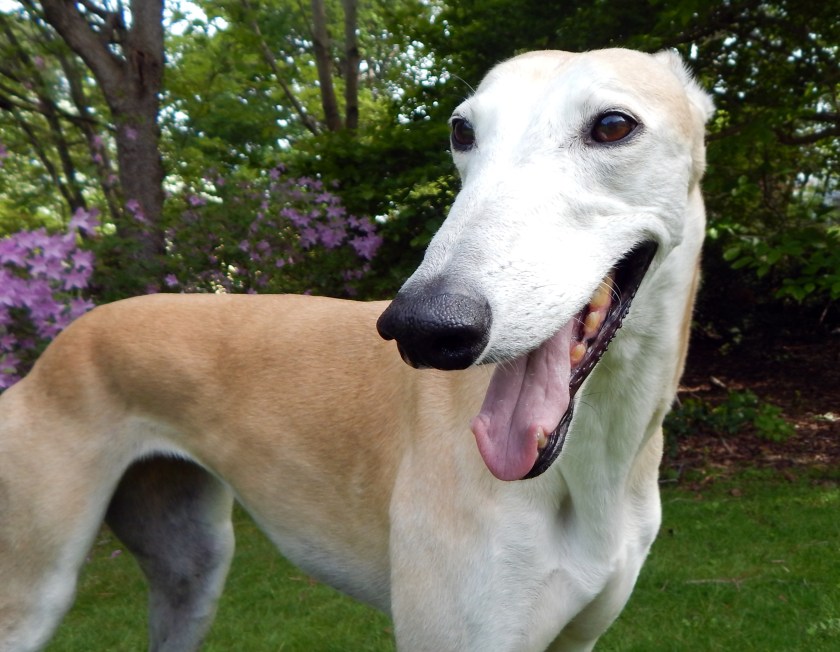 History awaits the Greyhounds this fall. On Election Day, Florida voters will have the opportunity to turn back the hands of time and end dog racing in its most established state. As many as 8,000 lucky greyhounds stand to receive the second chance they deserve, closing out nearly 100 years of exploitation and cruelty.

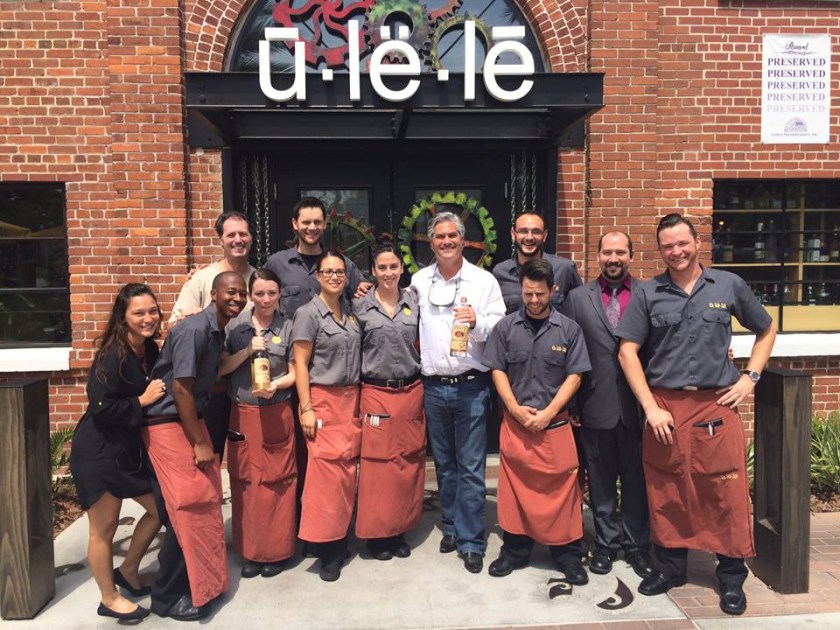


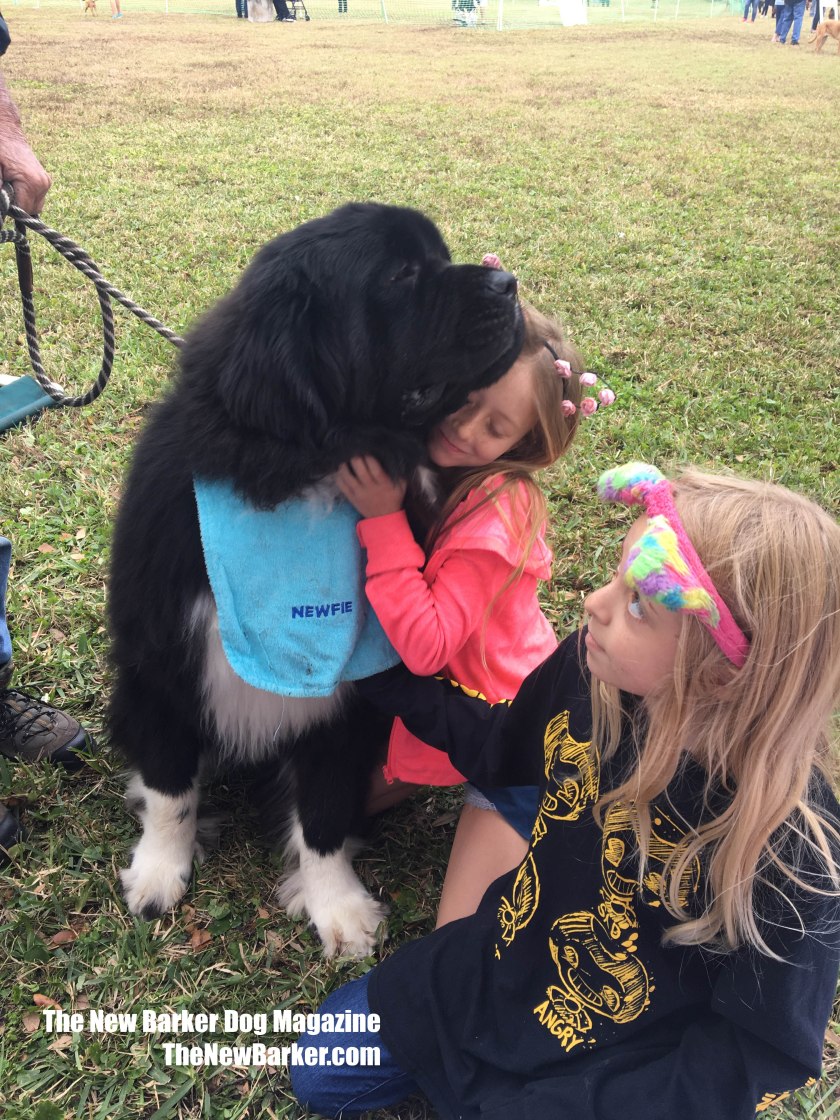 Bruce and his Newfoundland Ransom are regulars at a lot of dog-friendly events around the Tampa Bay area. The family’s Newfoundlands have been featured in The New Barker several times, over the years. We first met Ransom as a puppy, during a Clearwater Threshers Baseball Bark at the Park. During Sunday’s event, Bruce said, “Thankfully, for many of us, our dogs have been forever immortalized on the pages of The New Barker. I am happy to have saved the magazines over the years and enjoy revisiting them. Always good memories.”








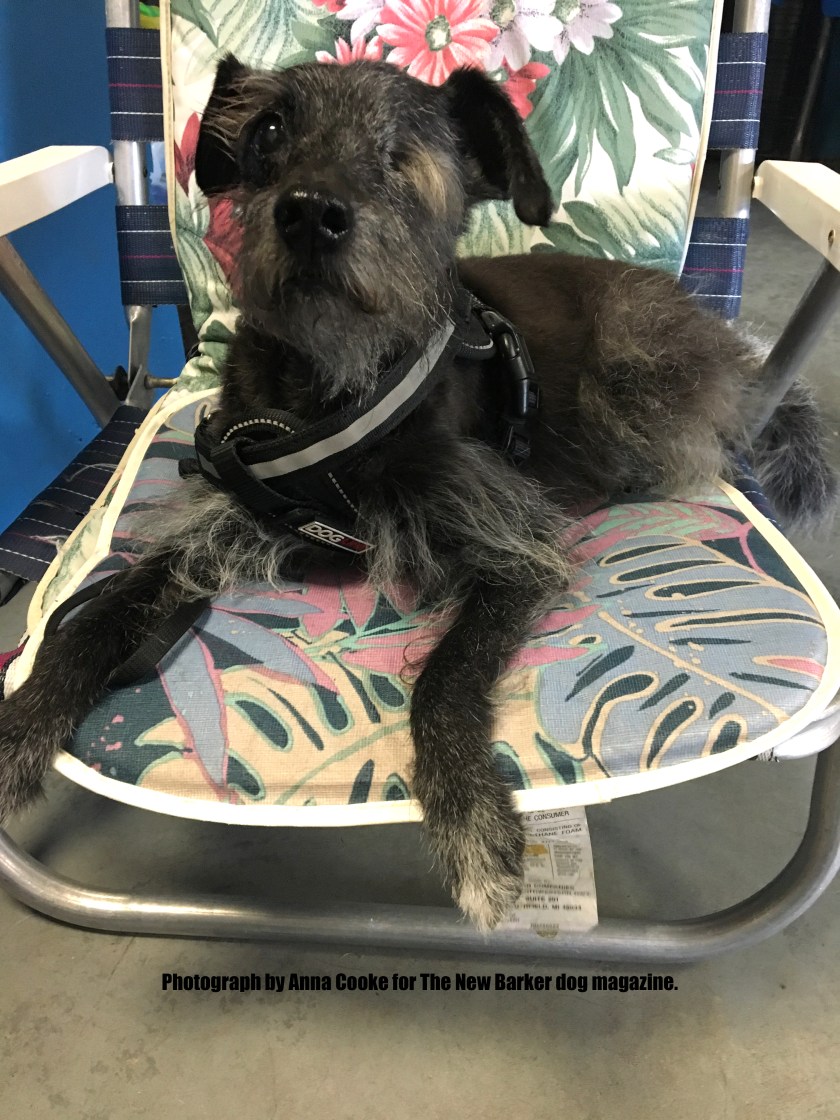
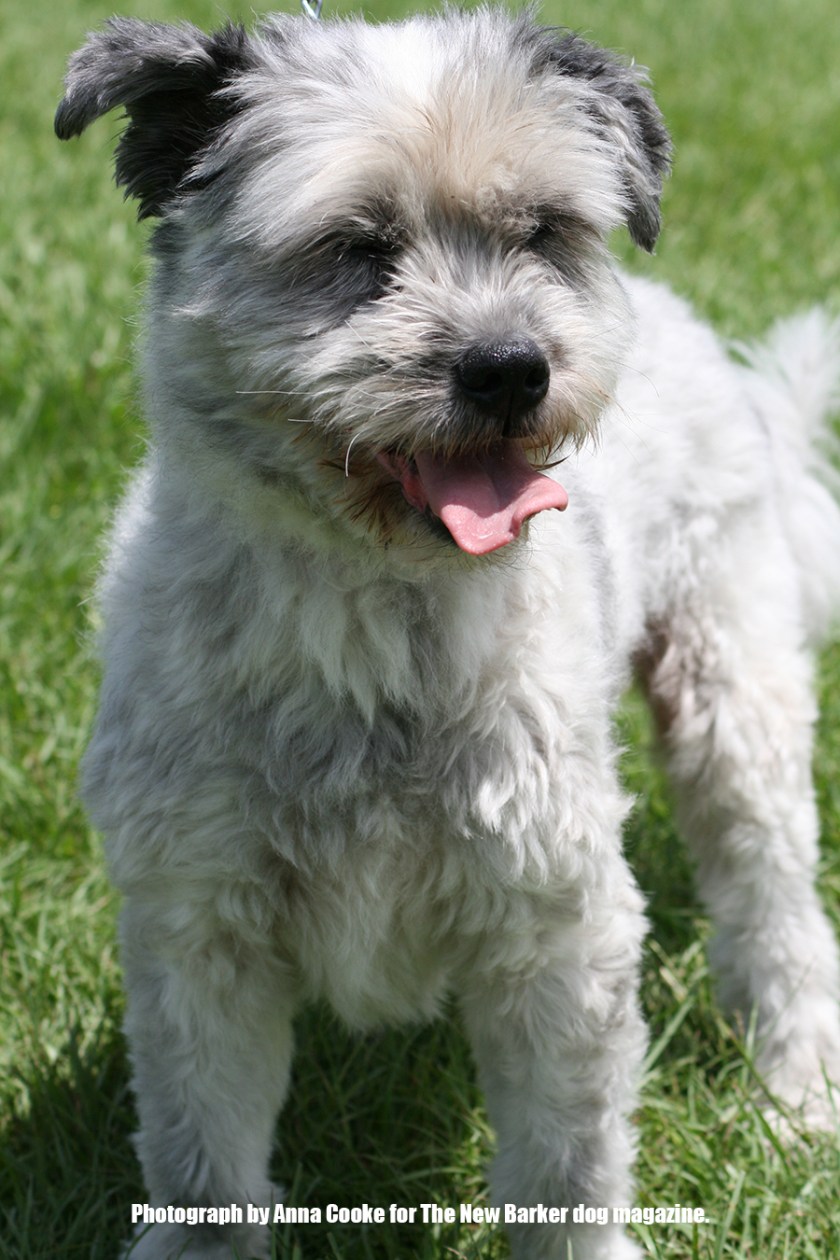 Koda’s Story (above), as told by his humans: As a puppy, he was left outside with his litter mates to fend for themselves. “Our dad found him on the side of a busy road. He was the only puppy alive. The others died while trying to get across the road,” said one of the two sisters with Koda. They nursed the pup, a Lhasa Apso mix, back to health. “And, 13 years later, here he is,” they said.
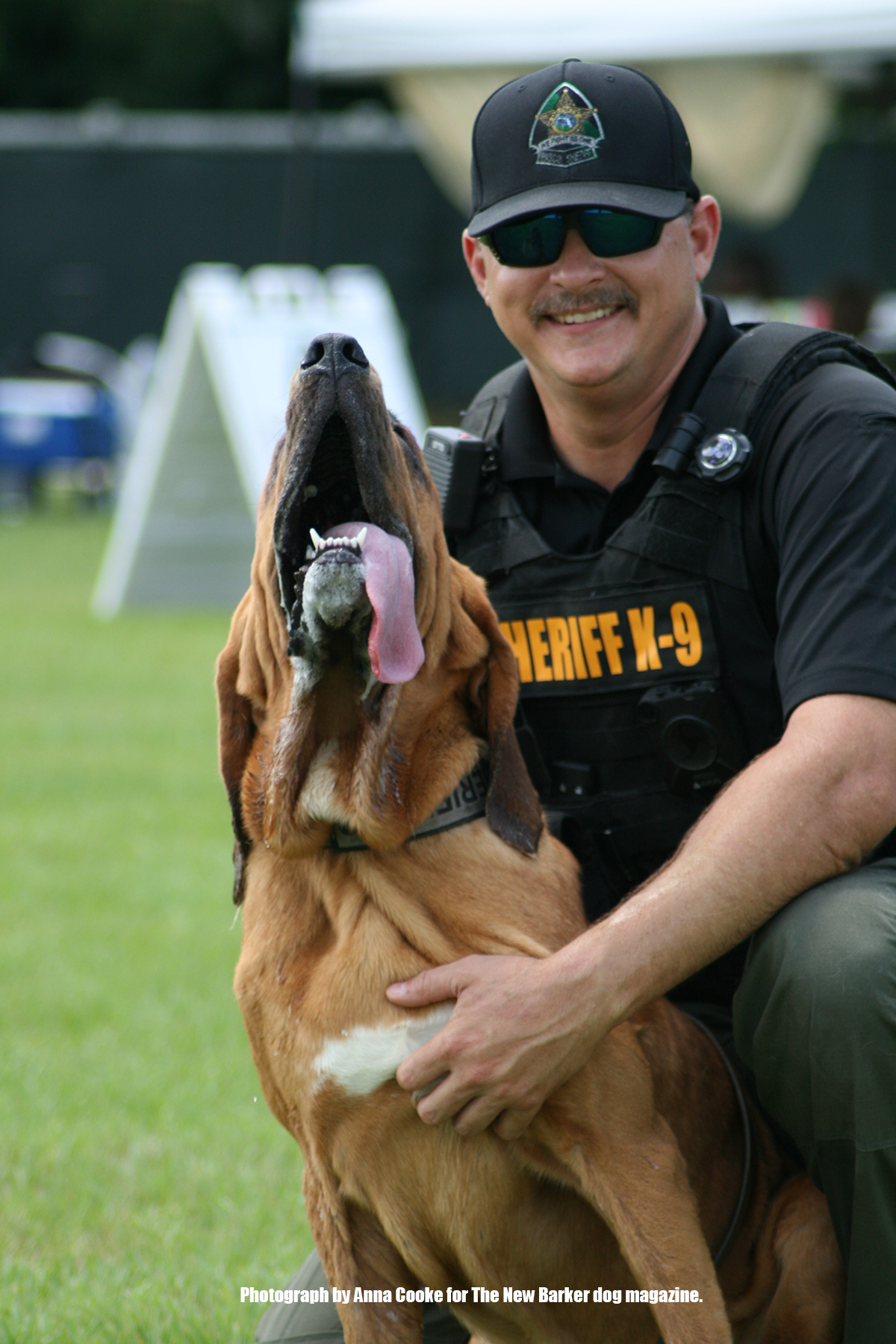
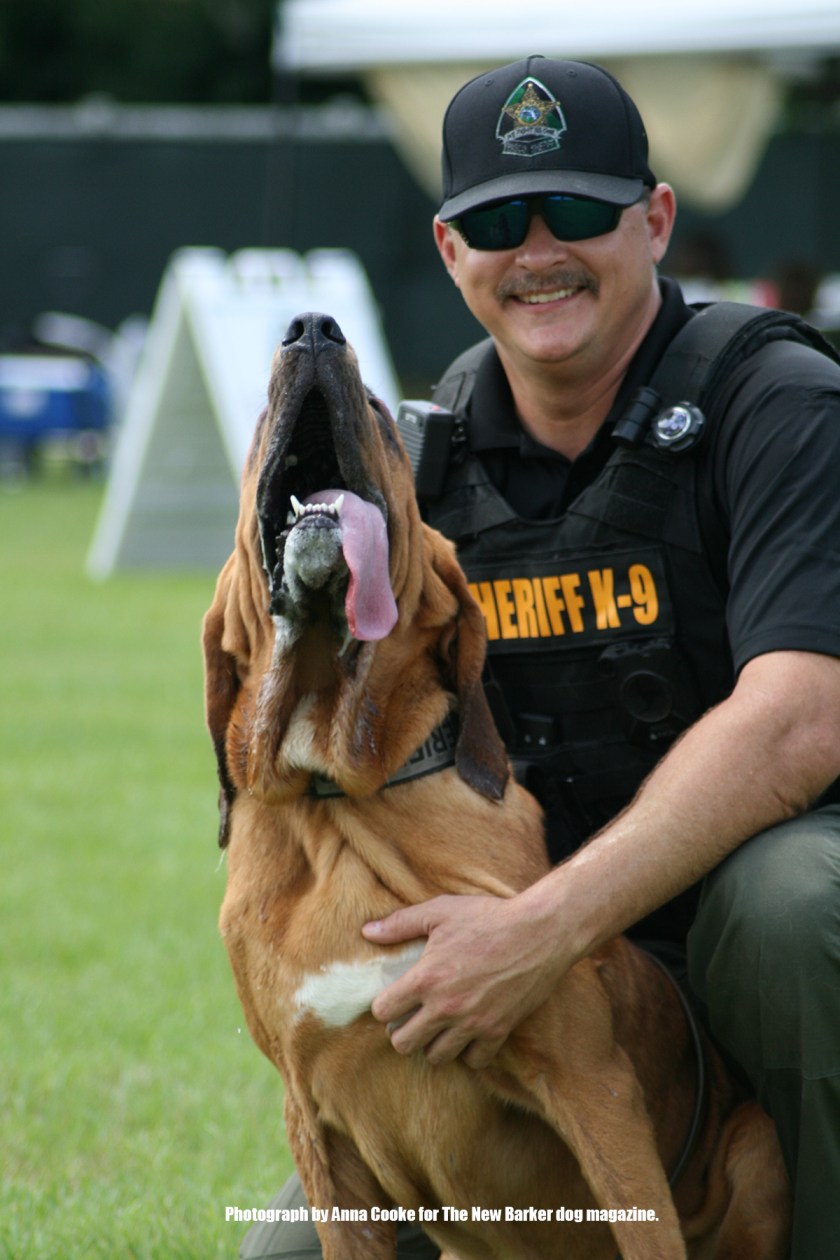 K9 Knox and Deputy Wilkins (above): Tracking is tough, as evidenced by the swamp track work done last month by K9 Knox and Deputy Wilkins. A vehicle, traveling southbound on US 41 at a high rate of speed, was the subject of a case in Hernando County. When the vehicle slowed, the driver jumped out and fled on foot into a densely wooded, swampy area. Pasco Sheriff’s K9 Knox and Deputy Wilkins, along with Corporal Andrew Denbo, tracked the subject through the swamp and located the suspect, who was almost entirely submerged in mud.
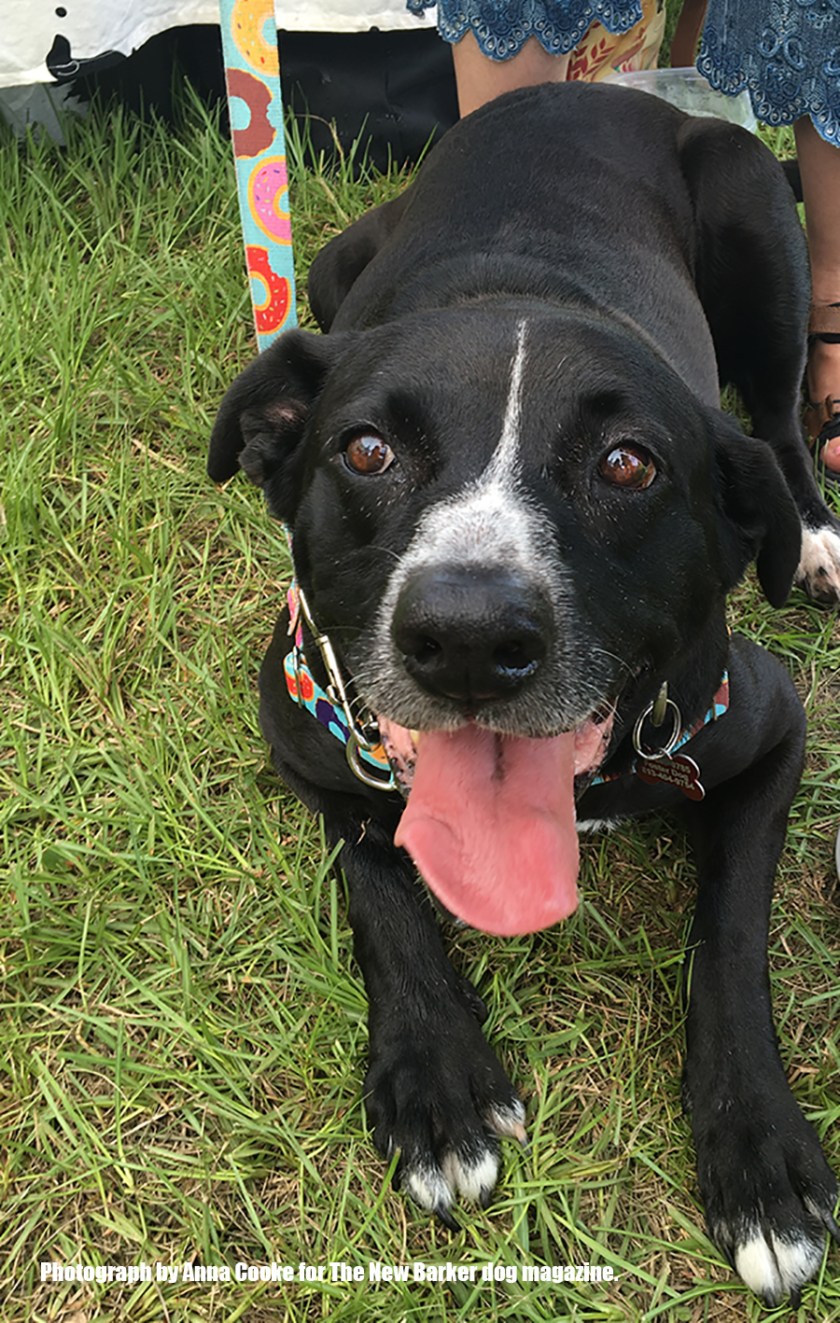 Partner Rescue Groups: The rescue groups are vital to any shelter, as they help to reduce crowding, by pulling dogs. We said hello to the volunteers at several of the rescue groups participating at Woofstock:
  Sweet Reese (above): She is also available for adoption through Skyway Dachshund Rescue. The group pulled her from Pasco County Animal Service when she was also very pregnant. All of Reese’s puppies were healthy and have since been adopted. Now, it’s Reese’s turn to find her forever home.

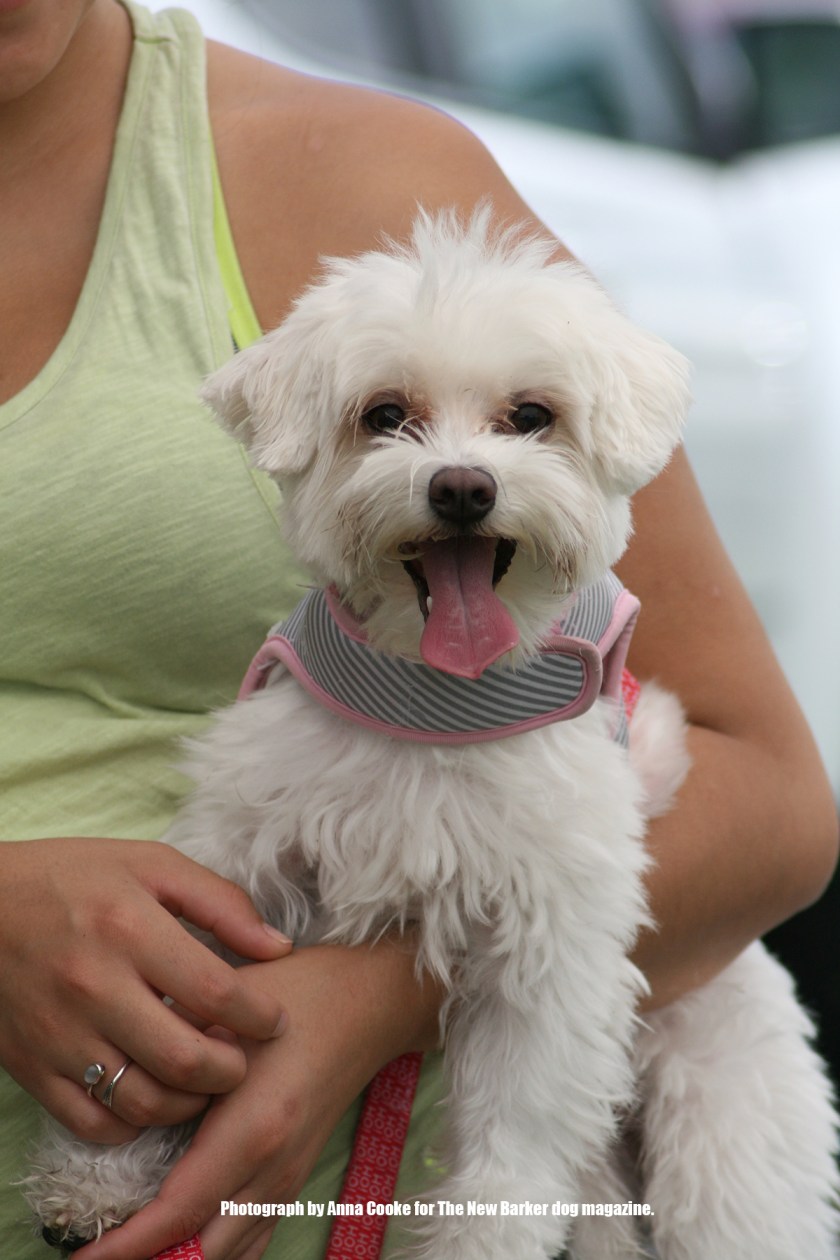


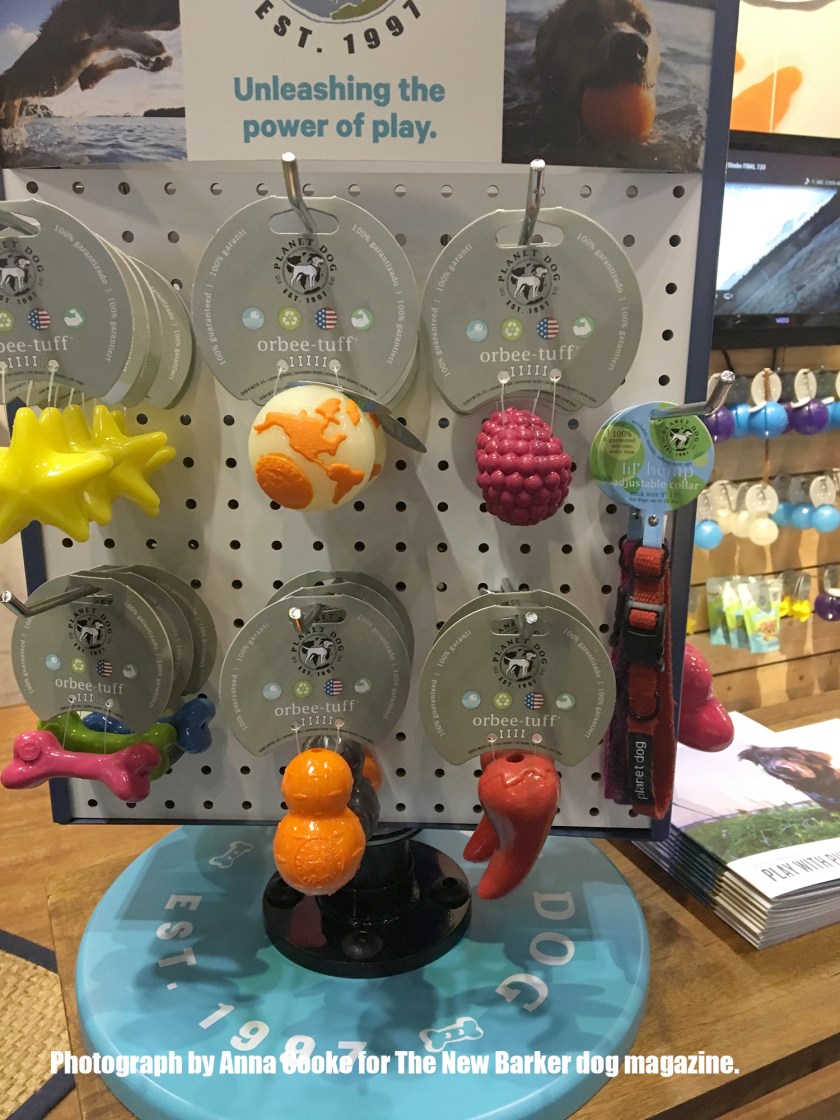 Neat Stuff – It’s always nice to put a face to the months of email correspondence. We met Jane with


 It’s A Wrap – The work that all of these companies put into their products, then the time they take to travel, display and talk about them is impressive. Equally impressive: the number of pet retailers walking the floor looking for the most innovative products to bring to their customers. Check in with your local independent retailer and find out what new goodies are in store for you and your dog. Until next year, #GlobalPetExpo. We were doggone tired and our feet were definitely barking by day’s end.


 The Art Of Dog.™
You must be logged in to post a comment.