A Bed For Every Shelter Dog.

Cold weather in Florida, with recent record-breaking temperatures hitting freezing or below in some areas, has a strange way of motivating Floridians. What began with a simple post on a personal Facebook page has blossomed into a full-blown movement, proving once again, that there is good in this world.

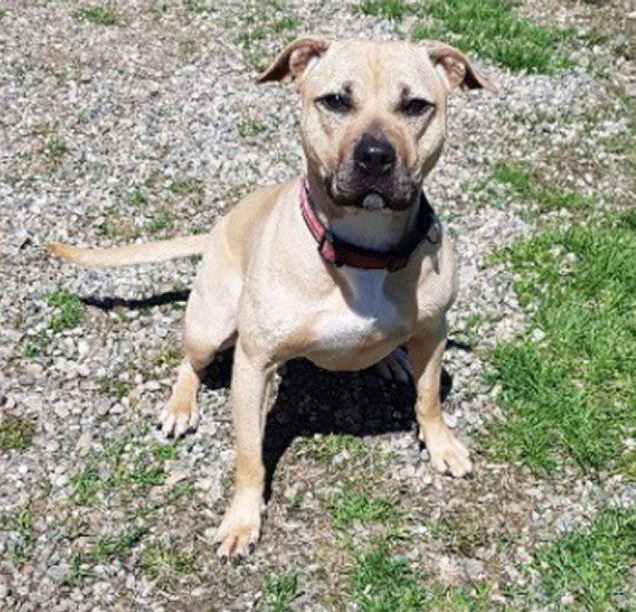
Puppy_SPCA_TB_2013
Puppy at SPCA Tampa Bay, photographed by Anna Cooke for The New Barker.

While visiting a couple of shelters in the Tampa Bay area to donate some dog toys, Cindi Hughes learned that many of the shelters don’t accept toys with stuffing – or beds, for that matter. “The dogs may choke on the stuffing if they rip them up,” said Cindi. As she stood in the shelter, she noticed a steady stream of people coming in to donate towels and blankets. It was going to be a particularly cold night for the dogs at the shelter. The towels and blankets would be used to keep them warm.

Later, that evening, Cindi thought, “Throwing a towel in a crate is rarely warm or comfortable for these dogs. Why can’t I take two to four towels, sew them together for more comfort and warmth and donate a few to the shelter?” She posted her thoughts on her Nextdoor app on January 6, asking if anyone would be willing to help her with donations and sewing. It was just a thought; a small way to help the shelters with their immediate need for beds.

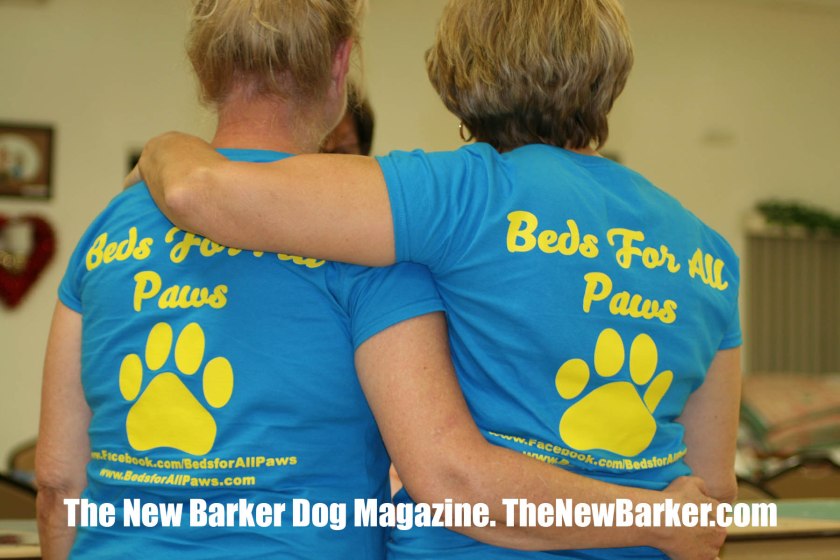
The response was overwhelming and continues, a little more than a month since Cindi’s initial post. At the end of almost every day, she comes home to find her front porch stacked with donations of towels, blankets, pillows and bolts of fabric from her friends and neighbors. Realizing she was going to need help, Cindi created a Facebook page, Beds For All Paws, and posted another request to “ladies who sew.”

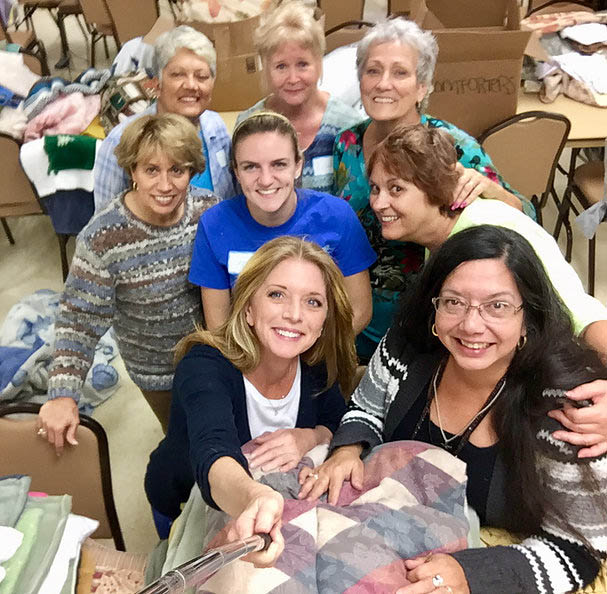
The first sewing session, a few women showed up to sew beds. The group, meeting every Wednesday, has grown and in less than a month’s time, they have produced 310 handmade beds.

Last night, we attended the sewing session in Safety Harbor and some 30 people showed up to cut, sew and stuff beds. They completed another 200+ beds in a couple of hours.

The group is mostly comprised of women, many of whom are retired, from all walks of life.  All of them came together through the Nextdoor app and/or Facebook. The common thread was their love of companion animals, especially those in need of forever homes.

Catharine said she was looking for a dentist when she came across Cindi’s post on Palm Harbor Happenings. “You could say a toothache brought me here,” said Catherine, whose sister Christine, a retired teacher, was the primary donor to build the much-needed pet kennels at CASA St. Petersburg. Of course, CASA will be receiving a donation of beds.

Lisa works for Suncoast Credit Union. The company gives each employee eight hours a year of paid leave to donate their time to a charity of their choice. “This was an approved cause,” said Lisa, as she sat sewing at her machine. Dan, her husband, was volunteering his time for whatever was needed. “He always comes with me to support my causes,” added Lisa, smiling at him as he cut fabric and stuffed beds.

Hannah told me about Boom Boom her Yorkie. She was in her veterinarian’s office when she saw someone come in with the tiniest of creatures. “He was just an hour old. You couldn’t even tell what kind of animal he was,” said Hannah. The breeder, she told me, brought the Yorkie puppy in to be euthanized. “He said the puppy wasn’t sellable because he was missing a toe. And for that, he was going to die,” recalled Hannah. She simply asked if she could take the puppy home with her. That was a year ago. “Boom Boom is my pride and joy and has everything he wants or needs. He is the reason I’m here, tonight, to sew beds for those dogs who don’t have a warm home, like Boom Boom does,” said Hannah.

Marcia, who moved to Florida from Pennsylvania a year ago, uses Facebook to stay connected to family and friends. She just happened upon Cindi’s post and was immediately intrigued. “I worked with a cat rescue in Pennsylvania for many years. We did a lot of TNR (trap, neuter, release of feral cats). I thought this would be a great way to meet new people who love animals like I do,” said Marcia.

Ed is a part time Floridian who splits his time between Minnesota.  As the owner of the Perkins Restaurant & Bakery at 2626 Gulf to Bay Boulevard in Clearwater, he has been donating some delicious sweets and coffee for the sewing group. “I’m an attorney in Minnesota and I’ve had the restaurant for 20 years. I’ve been blessed with a great team there,” said Ed. “I told Cindi to let me know whatever she needed. I am happy to support this effort.” Not coincidentally, Ed’s wife, Jeanne Lechner, volunteers for the Animal Humane Society in Minnesota.

Desanya, whose dog-friendly SeaDog Cottages is an advertising partner of The New Barker, also read about Beds For All Paws on social media. “I contacted Cindi and asked her what could we do to help.” Cindi had been looking for space to store the growing donations of supplies, including sewing machines. She was running out of room in her home. Desanya offered to donate the use of her storage space until Cindi could find something permanent. The two women met last week, for the first time, and quickly filled the space.

Local area shelters benefiting, so far, from Beds For All Paws include Hillsborough County Pet Resource Center, Humane Society of Pinellas and soon, Pet Pal Animal Shelter. Volunteers load their cars to the brim with the beds and make the deliveries, wherever needed. As word gets out, more shelters are putting in their requests for beds. Cindi was also contacted by some folks in California who asked for her help with setting up a local Beds For All Paws there.

“The outpouring of support has taken me by complete surprise,” said Cindi, who is easily overcome with emotion and tears. “If you give people a chance to be good, they will,” she added, as the whirring sound of sewing machines filled the room.

Visit the Beds For All Paws website for more information and how to help.
IMG_9996_TheNewBarker_C
It Feels Sew Right.


Happiness Is Running With A Friend.

Have you ever considered running a marathon with your dog?

by Anna Cooke – Have you signed up for the 2017 Goody Goody Turkey Gobble? It is dog-friendly with giveaways, awards and a delicious post-race meal. Information below.

Jeff Odell has been running with his dog Kuma since she was old enough to start training.  “I did enough reading to know that it is not healthy to run a dog before they are at least a year old,” said Jeff, who ran a fair amount when he was younger.

Eventually, raising a family and other things would take precedence, placing Jeff’s running on hold for many years. He picked it up again about 18 years ago when he was 42, focusing on long distance running and marathon training. He has completed 27 marathons and led a local chapter of the Jeff Galloway Marathon Training group in Tampa for five years. It was with that group in Temple Terrace where we first met Jeff, Kuma and some of the other runners early one Saturday morning. They had just completed their morning run of between 10 to 15 miles. Kuma, a Golden Retriever/Black Labrador Retriever mix, had done about five miles with Jeff. “Ten miles is her cool weather run,” said Jeff. “She let’s me know, but we usually keep it to between three and five miles in hot weather.”

IMG_TheNewBarker
Jeff Odell, racing buddies Sandi Lake and Kuma. Temple Terrace, 2017.

Kuma has the coat of a Golden Retriever that is the color of a black Labrador. She is almost seven and sports a little white around her muzzle now. It would be three years after the death of Lightning, the family’s beloved Golden Retriever, before Jeff’s wife Therese considered another dog. “It took Therese a long time to get over losing Lightning, who had grown up with our kids. She thought she could never have another dog, until we met Kuma,” said Jeff. The couple’s middle child Joseph, who lives in Japan, took one look at the puppy, and said she looked like a fuzzy little bear cub or Kuma – the Japanese word for bear. “We liked it and the name stuck,” said Jeff.

IMG_KumaJeff and Kuma bonded right away and he knew he wanted to eventually run her for exercise, if she took to it. “When I was a kid in upstate New York, I had a mixed breed dog that followed me everywhere around town. The idea of generally doing things with a dog in tow is pretty ingrained in me. When you have a dog the size of Kuma, at 65 pounds, you need to give her plenty of exercise, so I thought, why not both of us?”

Jeff began working with the puppy by taking her on walks with a six foot leash, training her to stay on his left side. When she was around a year old, Jeff began taking her for shorter runs, gradually increasing their length. As part of her training, he also mixed in running and walking to help ease Kuma into it.

“She took to running right away,” said Jeff. “She was so in tune with walking that running just seemed the next natural step.”

Jeff said that Kuma has never run on the wrong side of a mailbox or sign. “She knows to stay on the same side as me. We never end up wrapped around anything – except on the rare occasion when a squirrel gets her attention,” laughed Jeff.

One of the most important tips Jeff stresses for running with a dog is learning to recognize the signs of fatigue. “As long as Kuma’s tail and ears are up, she’s good. When they start to droop, it’s time to take her home.”

Early in their training, Jeff noticed something else about Kuma. “In hot weather, she would want to stop and spread out in heavy dewy grass. She was cooling herself by getting herself damp. Now, I find that if I give her 10 to 15 seconds, she rolls over one side, then the other, gets up, shakes if off and is ready to go again. She does this every couple of miles. Sometimes, dogs are smarter than we are.”

A RUNNING TIP FROM JEFF:  There’s lots of gimmicky running  gear for dogs. I don’t use any of it. Save your money. You need a leash and a light.  Don’t use an adjustable leash. I use a six foot leash that also has a handle-like loop near the dog in case I need to grab it and pull her in tight. I do not use one of those ‘hands free’ leashes that attaches around your waist. I don’t want my 65 pound dog, upon seeing a squirrel or a duck, to pull me over. I’m more comfortable holding the leash in my hand.

Jeff blames the Labrador half of Kuma for her wanting to pick up and swallow all manner of junk along the road. “I have to keep a good eye on her, and my running group does too. They have heard me say ‘drop it’ so many times that they will tease me whenever I say it – which is often.”

At a race, Kuma is a great icebreaker. “Runners are, for the most part, pretty social. Having Kuma around attracts all kinds of people and sparks conversations on how she was trained and what is her longest run (13 miles). Many people tell me of their successes or failures at getting their dogs to run with them,” said Jeff.

For Jeff, having Kuma in his life has been very rewarding. “Finding activities that your dog can participate in with you makes the dog part of your family and everyday life. In that sense, I’m like any dog owner that likes their dog around in varying circumstances.”

Knowing he has to walk or run Kuma continues to motivate Jeff. “When a personal or family issue arises and you don’t feel like getting out there, knowing Kuma will enjoy it gets me going when I otherwise might not want to.”

The New Barker dog magazine is a co-sponsor of the 2017 Goody Goody Turkey Gobble, 5K, 8K and 1 mile run on Thanksgiving Day, Thursday, November 23, 2017. Reeves Volkswagen will provide the official Pace Car. The start/finish is near Amalie Arena, 401 Channelside Drive, Tampa.

Reeves_Pacecar

Here are some FAQ’s – good information for run day. Registered runners and their dogs will receive a Doggie Swag Bag from THE NEW BARKER. Post race will include a delicious meal provided by Goody Goody Famous Burgers. Sign up today for the best prices. We are limiting the number of dogs to 150. The best part of the race is that the proceeds will go to support LIVESTRONG at the Tampa Metropolitan Area YMCA for cancer survivors and their families. We’ll see you on race day, bright and early.

IMG_1804_THENEWBARKER
Last year, Rita was ready for some post-race chow.

Every Dog Has His Lucky Day.

As the Jacksonville Humane Society celebrates the grand opening of its new facilities, we revisit our story about the devastating fire in 2007.

Excerpted and edited from a story in the Holiday/Winter 2008/2009 edition of The New Barker.

It was late night/early morning on April 7, 2007, when Leona Sheddan, former Executive Director of the Jacksonville Humane Society received a startling phone call: The Humane Society had burned to the ground and all the animals were dead. With thoughts of death and destruction fresh in her mind, she rushed there not knowing what she would find.

To her disbelief as she approached the shelter, fire trucks had blocked off the roadways and dogs were running in the streets. At that moment, Sheddan said, “I felt things would be okay, because we could rebuild buildings, but we couldn’t bring back life.” Unfortunately, this would turn out not to be the case.

Animals were still trapped inside the burning structure. Firefighters began to open crates and toss animals out of the burning building, hoping they would run to safety. Dogs quickly exited, but cats burrowed themselves in corners and underneath crates making them more difficult to rescue. Dogs also proved to have their own difficulties as the very same ones brought out by firefighters were following them right back into the fire, forcing firefighters to put the dogs inside their trucks. Firefighters helped saved 80 animals that night, but another 86 lost their lives to a fire of unknown origin.

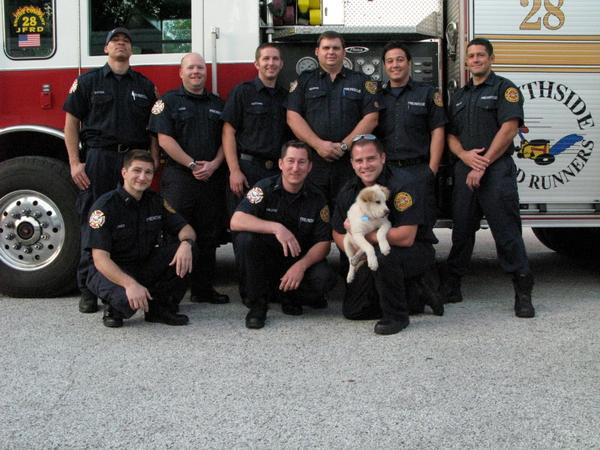
After the fire was extinguished, firefighters began to search what was left of the once lively building. They made a startling discovery: Belly deep in a pool of standing water, was a 10-month-old puppy. Luck struck this young pup twice that night as not only did he survive the fire, he found a home with the loving firefighters of Ladder 28. Fittingly, they dubbed him Lucky.

Lucky, a Labrador mix, was not the only miracle to come from the fire. A couple of days later, Sheddan and a few members of the staff were making another pass over the rubble, when a board member heard a noise. Silence quickly fell over the area, as everyone was intent on discovering the source of the sound, when a cat poked its head out of the debris. Sheddan remembered the face well, saying, “this cat gave us a look that said, where the heck have you people been? I’ve been here for two days. I’m hungry, tired, and dirty.” Like his canine counterpart, the pretentious feline was dubbed Lucky as well. Later that day T.J., Lucky the Cat’s brother, was also found alive. Of all the animals in that area, Lucky and his brother were the only survivors.

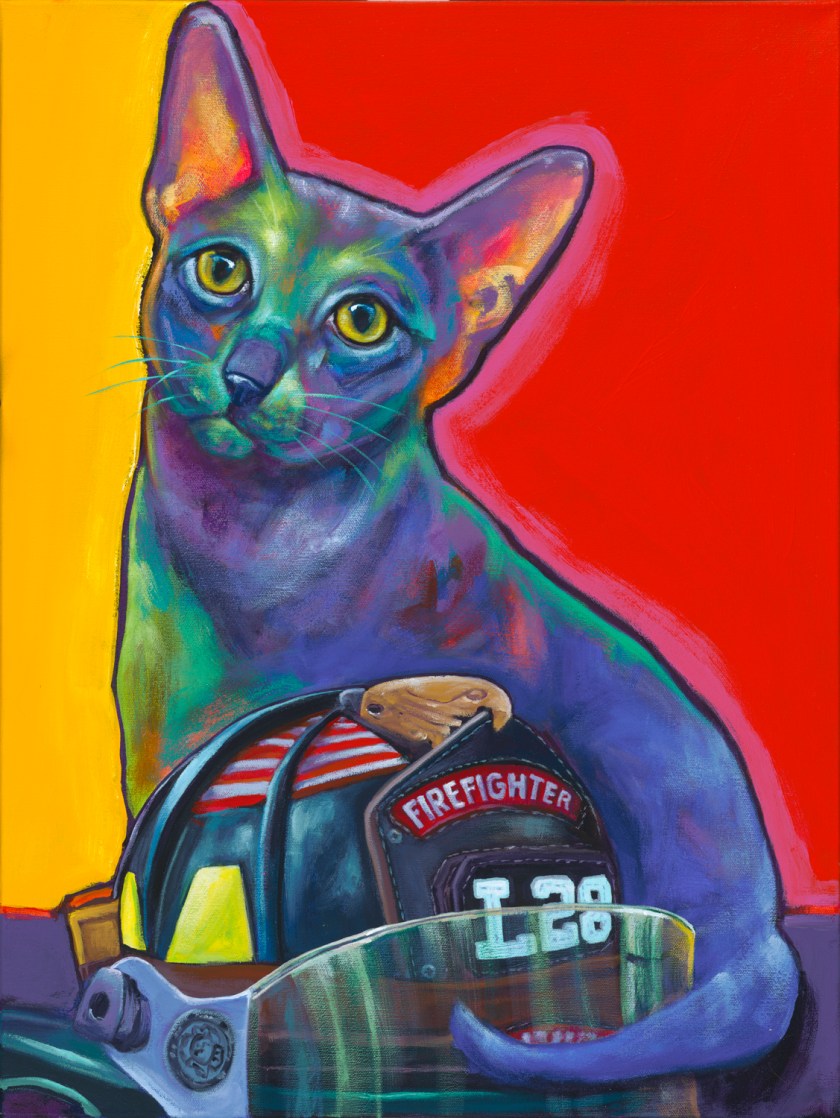
Lucky the Cat, painted by Ron Burns.

After the fire, the Jacksonville Humane Society was closed for five days. More than a year later, the shelter was still working out of close quarters. Two temporary modulars were moved onto the property, one housing adoptions and admissions, the second serving as a vet tech center for examinations of animals entering and leaving the shelter. Despite the cramped conditions, donations poured in from 27 states and two foreign countries. The community of Jacksonville was also quick to come to the aid of its Humane Society. The Boyd Family, long-time Jacksonville philanthropists, donated six acres of land worth $3.5 million. Artist Ron Burns, The U.S. Humane Society’s Artist-In-Residence, donated a percentage of his earnings from artwork sold at a local gallery. His donated paintings of Lucky the Dog and Lucky the Cat were on display at the temporary Humane Society offices as a constant reminder of hope. Donations were earmarked for a planned 45,000 square foot structure.

Priced at $12 million, construction of the new facility was estimated to take at least two years. The goal was to turn the Humane Society into more than just an animal shelter, by making it a destination point for families in the community, with expanded programs to benefit people as well as dogs and cats. One proposed program would allow senior citizens to leave assisted living homes for visits to the Humane Society, where they could interact with shelter animals. Another proposed program would allow for children’s parties and sleep overs.

Built along a creek, the Jacksonville Humane Society’s plans at the time, also called for construction of a promenade along the waterfront, where people could sip coffee and relax with their dog. Additional plans called for a Pooch Park, where people would bring their own dogs for interaction with the shelter’s dogs.

All surviving animals from the fire were adopted, many into the homes of emergency personnel who helped fight the fire that night. Lucky Dog spent most of his time at home, while his owner, Rod Zinick, continued to work at the fire department. For awhile, Zinick would take Lucky to the fire station with him during every shift. Lucky would play at a neighboring park or hang out at the station, but he never wandered far. “We would go out on a call,” Zinick says, “and when we came back, he was waiting in the bay.”

Lucky and his rescuers, the crew of Jacksonville Fire & Rescue Department’s Ladder 28. Photographed in 2007.

On November 10 and 11, 2017 the Jacksonville Humane Society will be hosting Grand Opening celebrations of their new Adoption, Education and Community Resource Center. Bacon Group Architects, out of Clearwater, Florida, was the Architect of Record and Project Manager. The shelter, led by current Executive Director Denise Deisler, is located at 8464 Beach Boulevard, Jacksonville, Florida. JaxHumane.org


A Toast To Tito.

Who knew that drinking vodka would be for the greater good of dogs? Not just any vodka, though.

by Anna Cooke

Earlier this year, THE NEW BARKER partnered with Tito’s Handmade Vodka to create a social media contest for adopted dogs. The contest post reached more than 15,000 people on THE NEW BARKER Facebook page. The top three dogs with the most votes received the honor of having a cocktail created in their name, using Tito’s Handmade Vodka, of course. In no particular order, the winners are (below, left to right) Taj from Boca Raton (photograph by Tina VaLant); Reggie from Tampa and Aggie from St. Petersburg.

Wolf-Dog_Taj_TinaVaLantReggie_AthanassieAggie_MilousBryant

We will share the refreshing drink recipes and more about these dogs in an upcoming blog. For now, a bit about the man behind the Vodka For Dog People.

Twenty years ago, in Austin, a geologist-turned-mortgage-man began a hobby with his trusted white German Shepherd mix, Jo, by his side. Tito Beveridge (his real name) began distilling vodka using hand-crafted stills he made himself. “Jo was the only contact I’d have with another life form in days,” said Tito, as he cooked batches of the product, then bottled and loaded it for distribution. During those early days, Beveridge often slept on a cot he’d set up inside the warehouse, his companion Jo curled up nearby. “She was with me the whole time. I still can’t talk about her without tearing up,” he says.

In 2001, Tito’s Handmade Vodka won the Double Gold Medal for vodka at the San Francisco World Spirits Competition, beating out 71 other vodkas. Even The Dude (aka Jeff Bridges) in the movie The Big Lebowski recommends Tito’s as the best vodka with which to make a White Russian. Tito has done something even more extraordinary than creating his handmade vodka. He launched VodkaForDogPeople.com to help save homeless dogs after noticing the many stray dogs wandering onto his distillery’s property. The distillery is located just outside Austin city limits, where feral dog packs had been a growing problem. Tito’s employees began to adopt or foster them. Today, employees’ dogs can be seen lounging around the marketing office, while the distillery has many dogs who live on the property full-time.

The distillery became an unofficial dog adoption center. Strays would come onto the property, where they were cared for and made available for adoption. Tito’s staff took many of the stray dogs to Emancipet, an Austin-based organization devoted to making spay/neuter and preventative veterinary care affordable and accessible to all pet owners. Once the animals received treatment, Tito began talking to people in the community about adopting the dogs. He has since found homes for more than 60 dogs through the distillery.

Tito’s, the brand, has officially partnered with Emancipet to reach communities outside of Austin, like Hillsborough County’s Vets 4 Pets Charitable Clinic in Tampa. You could say that, using Tito’s Handmade Vodka in your mixed drinks is the right thing to do. Ethical inebriation, as blogger Claire Cudahy calls it. Today, Vodka For Dog People sells leashes, collars, dog bowls, and clothing. All of the profits from the sales go directly to Emancipet.

“Google ‘Successful Failures’ and you’ll find that everybody that you think is a great success in the world has gone through multiple failures.” –Tito Beveridge

Jo, the German Shepherd mix who helped Tito start it all, is buried on the distillery’s property. Few expected Tito to succeed when he first began making his vodka. His successes and subsequent partnerships with Emancipet and other animal-rights organizations have become a way for him to support a community that helped him when he was a struggling entrepreneur. He may just see a bit of himself in the dogs he’s helped along the way. “My loyalty to those who believed in me shows in the consistency of those partnerships 20 years later. I believe you should dance with the one who brought you.”

Tito_Dogs

The New Barker dog magazine is honored to be a partner with Tito’s Handmade Vodka and help spread their #VodkaForDogPeople story (short video below).

AmericanStage_Titos_TheNewBarker
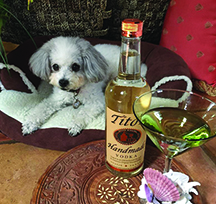
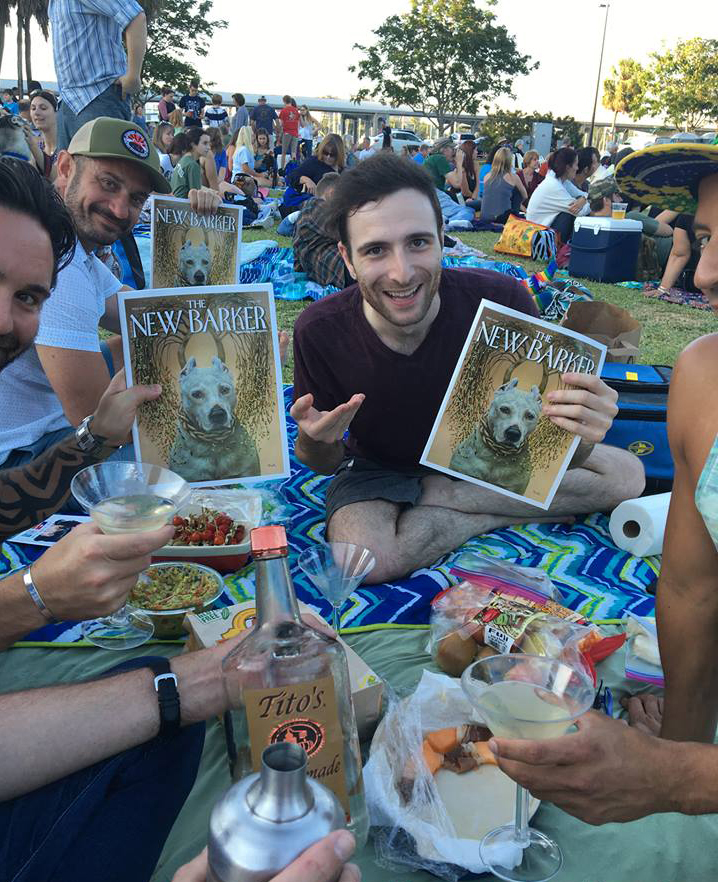
American Stage in the Park, earlier this year in St. Petersburg. What’s better than an iced Martini crafted with Tito’s Handmade Vodka? Add a copy of The New Barker dog magazine, and you’re all set.

The Truth Will Always Be The Truth. Even If No One Believes It.

Today is the last day of October. Just a reminder: October is Adopt A Shelter Pet month AND Domestic Violence Awareness month. Let’s not forget these two important issues. There is a strong correlation between animal cruelty and violence against people. St. Petersburg, Florida’s CASA set to open a Pet Kennel and THE NEW BARKER visited. (No graphic photos).

by Anna Cooke

One of the first studies to address the link between child abuse and animal abuse, discovered that 88 percent of homes with physically abused children also included abuse or neglect of the family pet (DeViney, Dickert & Lockhart 1983). In a nationwide study, more than 71 percent of battered women reported that their abusers had harmed, killed or threatened animals, and 32 percent reported that their children harmed or killed animals (Ascione et al, 1997). Children who are exposed to domestic violence are nearly three times more likely to treat animals with cruelty than children who are not exposed to such violence (Currie, 2006). Animal cruelty committed by children is often symptomatic of future abuse toward other animals or people.

The dog who inspired Utah’s Henry’s Law was tortured by a man who was jealous of his wife’s pet. Rhonda Kamper wasn’t aware of the dog abuse her Chihuahua was enduring while she was at work. If Henry was in her lap when the couple was sitting on the couch, it was an issue. If she took the dog for a walk, it was an issue. “I’d ask my husband to come walk with us, but he wouldn’t,” said Kamper. Increasingly suspicious, she warned her husband that if anything happened to Henry, their marriage was over. “You love that dog more than me,” her husband responded. One day, she came home to find the dog injured with burns. After pressing her husband for an answer, he told her the dog had been placed in the oven. “I saw a side of my husband I had never seen before,” said Kamper. By the weekend, she had left.

While awareness of the correlation between domestic violence and animal cruelty continues to grow, only a fraction of shelters for domestic abuse victims allow pets. This means that the victim often remains in a dangerous situation rather than leave a companion pet – sometimes the only comfort that they have had during their abuse.

Recently, Mikkel Becker, a certified dog trainer and Dr. Marty Becker‘s daughter, shared her own story of domestic violence. Mikkel is a contributor for vetstreet.com, USA Today, Woman’s Day and Real Simple Magazine, and the co-author of five books.

“As painful as it is to share my story, I hope other victims and survivors of domestic violence can find hope and reassurance that they’re not alone,” wrote Mikkel. “I continue to pray, deep in the heart of me, that more domestic violence shelters find ways to offer support to help both humans and pets. As I know all too well, the love of our animals can keep us trapped in dangerous situations for far too long.”

Mikkel_Marty_Becker_Rita
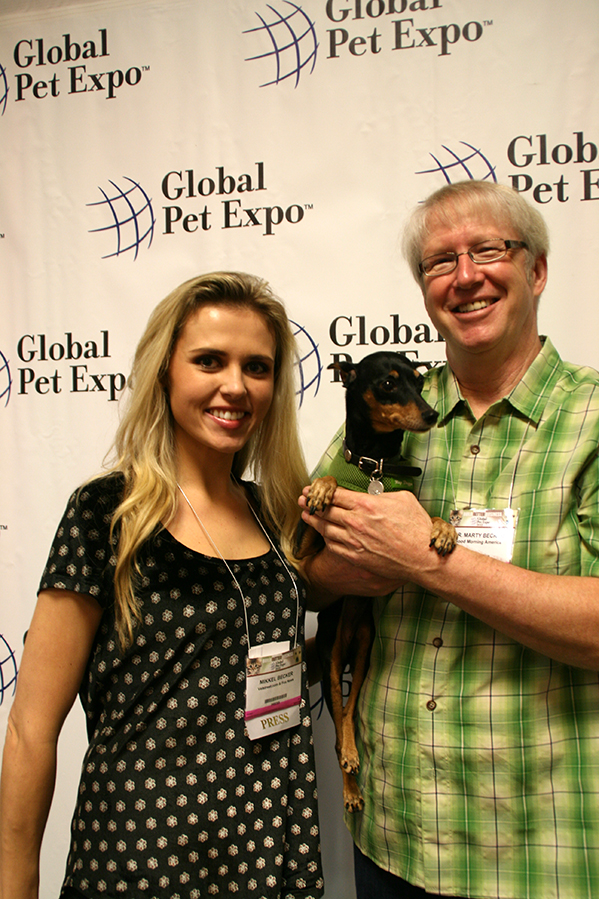
Mikkel Becker with her dad Dr. Marty Becker, who is holding Rita, one of THE NEW BARKER “rover reporters” during Global Pet Expo in Orlando.

Abuse of pets raises concern for the children in these households for several reasons. First, witnessing the abuse of a beloved pet is emotionally distressing for the child. Second, it also models a pattern of behavior that clearly is detrimental to healthy development. In addition, abusers’ unrealistic expectations of pets may lead to abusive incidents such as beating a puppy for urinating on the floor. This is worrisome since unrealistic developmental expectations also are a common trigger for child abuse (e.g., shaking injuries in crying infants, abuse of toddlers associated with toilet-training accidents).

The length of time children remain in these dangerous, sometimes deadly environments may be prolonged by the presence of pets. Concerns about the pets’ safety leads many victims to delay leaving their abusive homes. Abusers whose violence includes abuse of family pets have been shown to be more controlling and to employ more dangerous forms of violence.*

Forty years ago, CASA (Community Action Stops Abuse) began as a simple eight-bed emergency shelter for victims of domestic violence. CASA is the official domestic violence center for southern Pinellas County. By the late 1990s, it had grown into a 30-bed shelter with a 24-hour Crisis Hotline, Outreach Services and the Peacemaker Program. Today, CASA  has a beautiful new 100-bed emergency shelter and its Pet Kennel is scheduled to officially open before the end of 2017.

Over the past 12 months alone, CASA has provided 37,000 nights of safety at its shelter. When the new shelter was being built, it was always the vision and immediate goal of Executive Director Linda A. Osmundson, to construct an on-site kennel for pets. Unfortunately, it did not make the initial budget cut and the project was put on an indeterminate hold until after the construction of the much-needed larger domestic violence shelter was complete. Thanks to a generous donation by a local animal lover, a grant from RedRover Relief and Linda’s dogged determination, the 288 square foot pet kennel has been constructed.

We had an opportunity to tour the facility and kennels in March 2017 with John Biesinger and Mo Venouziou. “Every person who comes through those doors presents a different issue. Deciding to leave an abusive situation while a pet remains behind is not something we want these women and children to have to worry about. Thanks to our great staff, like Vanessa Washington, and our volunteers, we’re able to make it work,” said Biesinger. Vanessa is one of the top two advocates in Florida.

“Domestic violence can be so easy for people to ignore, as it often happens without any witnesses and it is sometimes easier not to get involved. Yet, by publicly speaking out against domestic violence, together we can challenge attitudes towards violence in the home and show that it is a crime, not merely unacceptable.” Honor Blackman.

Domestic violence crosses socio-economic divides. You may find out that someone with a successful career, who is making plenty of money, has been a victim and wonder how is that even possible. “Control is part of what an abuser has over his victim,” said Biesinger. “There are women making money, and yet have never balanced a check book. Their abuser takes the money away from them as a means to keep them believing they are powerless to do anything else.”

“Linda was a force of nature. She knew how important it was to have the pet kennel on-site,” added Biesinger. The kennel will allow families to be with their pets on a daily basis. “Indeed. Part of the agreement is that the families feed, walk and clean up after their pets,” said Biesinger. Families are also encouraged to cook and dine together in one of CASA’s two kitchens and dining rooms. The shelter encourages maintaining as much normalcy to family life as possible.

Sadly, Linda Osmundson did not live to see her vision through. She passed away in 2016. However, we’re certain she’s pleased with the results of her vision.

NOTE: The CASA Pet Kennel program will require monetary donations to operate. On November 8, 2017, THE NEW BARKER and Aerie Lane are co-hosting a private event in Safety Harbor to jumpstart the fundraising campaign. From 6:30p-9p, in a quaint, intimate setting, you will meet with friends and like-minded people to create your very own DIY Aerie Lane signature project for the home, holidays or your pet. A portion of the proceeds will go to the CASA Pet Kennel. Light snacks and refreshments will be served. To register, please click on this link: The New Barker+Aerie Lane Present An Evening For CASA PET SHELTER

Aerie_Lane_IMAGE

MORE INFORMATION:

PAWS – Pets And Women’s Shelters: The Humane Society of the United States has proposed the PAWS Act (S.322/H.R.909). Under the bill, federal domestic violence protections would include threats and violence against pets. In addition, the bill would extend grant funding to domestic-violence shelters to provide pet housing and include veterinary costs in restitution payments.

RedRover Relief grants help domestic violence victims and their pets escape abusive situations together. To find a domestic violence shelter in Florida that accepts pets, visit RedRover Relief’s website: SafePlaceForPets.org. For information on grants, email info@RedRover.org or call 916.429.2457.

CASA 24-hour Domestic Violence Hotline: 727.895.4912 TTY: 727.828.1269

CASA-StPete.org CASA Collections Thrift Shoppe 1011 1st Avenue North, St. Petersburg Call 727.828.1233 for store hours. All proceeds are used to fund CASA’s programs and services for survivors of domestic violence.

*Excerpt from American Academy of Pediatrics article by Tara L. Harris, M.D., M.S. FAAP.

Sleeping Beauty 2


###

A Nose For A Good Dog Story.

Sometimes a good dog story is right under your nose. All you have to do is listen.

by Anna Cooke

ANose

Jack lives his life believing everything happens for a reason. Four years ago, after his Schnauzer died, he knew he wanted to adopt another dog right away.  He’d lived with dogs all of his life – a couple of Great Danes, a German Shepherd Dog, an Akita named Molly – mostly big dogs with big personalities.

After doing some research online, he found a rescue in Hernando County that pulled mostly smaller dogs from shelters. On the Petfinder.com website link for the rescue, there was his next dog, or so he thought. A friend drove Jack from St. Petersburg to Brooksville. As he finished filling out the adoption paperwork, a car with a family of four pulled into the parking lot. “Two kids jumped out of the car, saw me holding the dog and started crying,” Jack said. “Turns out the family had fallen in love with the same dog online as well. They had driven there, as I did, to adopt this dog.”

Jack placed the dog on the ground and asked the two small children if they’d like to pet him. When the dog ran over to the kids, wagging his tail, Jack knew. “It wasn’t meant to be. That dog belonged to those children. I wasn’t going to take that away from them. I figured my dog was still out there somewhere, waiting for me.”

Driving back home, Jack began humming a song, out of the blue – “Oh! Susanna.”

“Where did that come from?” exclaimed Jack’s friend, looking over at him.

“I have no idea,” answered Jack.

The next day, Jack visited Pet Pal Animal Shelter and met an unlikely dog that he would end up taking home. Among other health issues, the little Terrier-type female had a hernia, most likely as a result of overbreeding, starting as a puppy herself. She was also very shy. “The shelter volunteers surmised that she most likely had lived her entire life in a cage,” said Jack. She had been pulled, along with other dogs, from a hoarding situation out of Alabama.

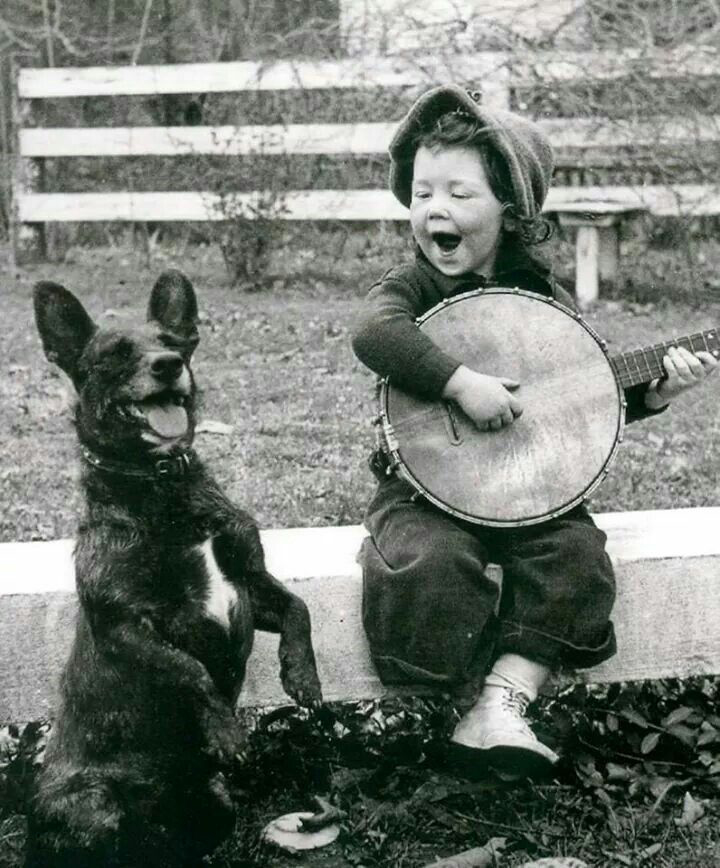
The words to “Oh! Susanna,” the song Jack had been humming the day before, include the line: “For I come from Alabama with my banjo on my knee…”

Jack named his new companion  Allie.

Kid_Dog_Banjo

What A Difference A Day Makes.

Dogs transforming the lives of humans by serving those who cannot see, and those who have seen too much.

words by Anna Cooke – photography by Laura Allen Studios.

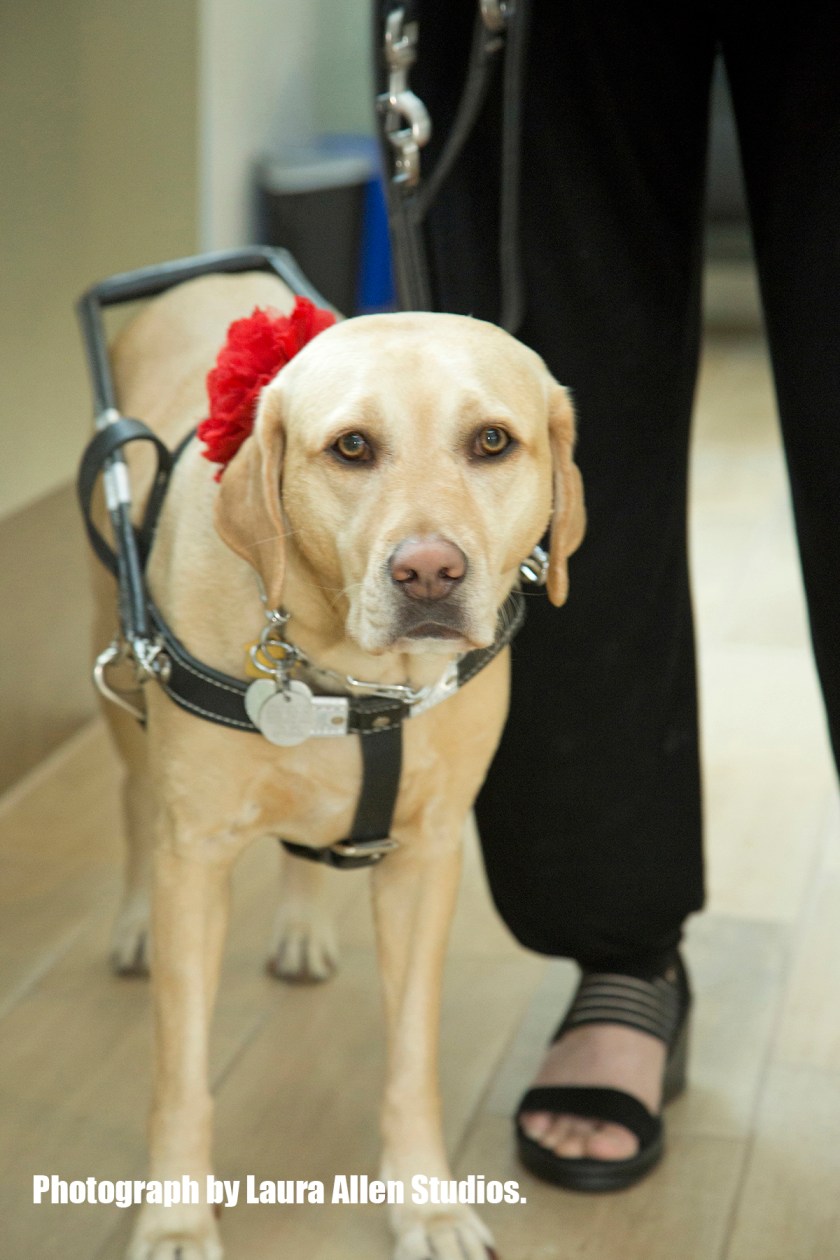
Anna Wintour, Vogue magazine’s editor-in-chief, believes that fashion goes in only one direction, and that is forward. PJ, a yellow Labrador Retriever, is as fashion-forward thinking as any dog we’ve ever met. “She constantly let’s me know that she is the most beautiful Labrador ever. Of course, I believe her,” said Shauna English, her handler.

17GuideDog_007 r copy

Before Shauna met PJ – before she needed PJ, she was a busy professional, successfully juggling two careers; one in real estate, the other in the registrar’s office at Florida Southern University in Lakeland.

Then, the unthinkable happened. During Memorial Day weekend, two years ago, Shauna suffered a stroke in her optic nerves. Diagnosed with Central Retinal Vein Occlusion, Shauna lost vision in one eye. It normally takes two years to lose vision in both eyes. In Shauna’s case, she lost vision in her other eye only two weeks later. As if being legally blind wasn’t enough, the following year, again on Memorial Day weekend, Shauna awoke with a massive headache on one side of her face. Glaucoma had progressed so severely, it necessitated the removal of her right eye. She now wears a prosthetic eye.

Understandably, as the reality of this new darkness set in, Shauna’s world became very small. She had to leave her job, her fiancé walked out on her, she had to give up her car, and moved out of her home. On the rare occasion when she ventured out into the world, Shauna used a white cane, but couldn’t shake the feeling that she was always one step away from falling. “I just stopped participating in life,” she said.

Falling further into the depths of depression, her sleepless nights included late night television. Through public service announcements, she was introduced to Southeastern Guide Dogs and could just make out the two stars of the commercials on the television screen. Gibson was a little black Labrador Retriever puppy and Jackie was a yellow Lab. The PSA’s were on several times a night, five nights a week. She worked up the nerve to call Southeastern Guide Dogs to inquire about a service dog of her own.

Once it was determined that Shauna qualified for her own guide dog and after the paperwork had been approved, she made one special request. She loved wearing black and thought a black Lab, like Gibson in the commercials, would be a fun perk.

With a 98 percent graduate satisfaction rating, Southeastern Guide Dogs is adept at matching the applicant with the right dog. The process is both an art and a science, and sometimes, adjustments must be made. The 20-day, hands-on training takes place at the facility’s Palmetto, Florida campus, as well as venturing from the campus out to city streets, shopping malls and public transportation.

On the second day of her training, Shauna was given a black Lab that matched all criteria to be her service dog. However, it became instantly apparent to the instructors and Shauna that what was previously regarded as a perfect fit for her was not working. The dog was too strong and too quick for Shauna. The trainers noticed the imbalance right away.

Worried, nervous and frightened, Shauna thought it was her fault. What was she doing wrong, she wondered. The instructors were very supportive and assured her that they had the right dog for her.

17GuideDog 050Edit

A nonprofit with a national reach, Southeastern Guide Dogs (SEGD) trains dogs of the highest pedigree for blind people and injured veterans, providing a premier dog and a lifetime of services at no cost. One of the ways SEGD raises money is through puppy sponsorships. A $5,000 donation sponsorship helps care for the dogs through their journey from puppy to world-class guide dog, service dog or other career.

In addition to quarterly updates on the dog, the sponsor receives recognition in SEGD’s annual report and an invitation to a formal graduation luncheon. The sponsor also has the opportunity to name the puppy. PJ is short for Paula Jean. Her sponsor named the dog in loving memory of his late wife.

On the fifth day of classes, Shauna was about to be introduced to her new guide dog. “I had been crying and was worried that the new dog would detect my tears and sadness, and think that it was because of her,” said Shauna. I tried to pull myself together as best as I could.”

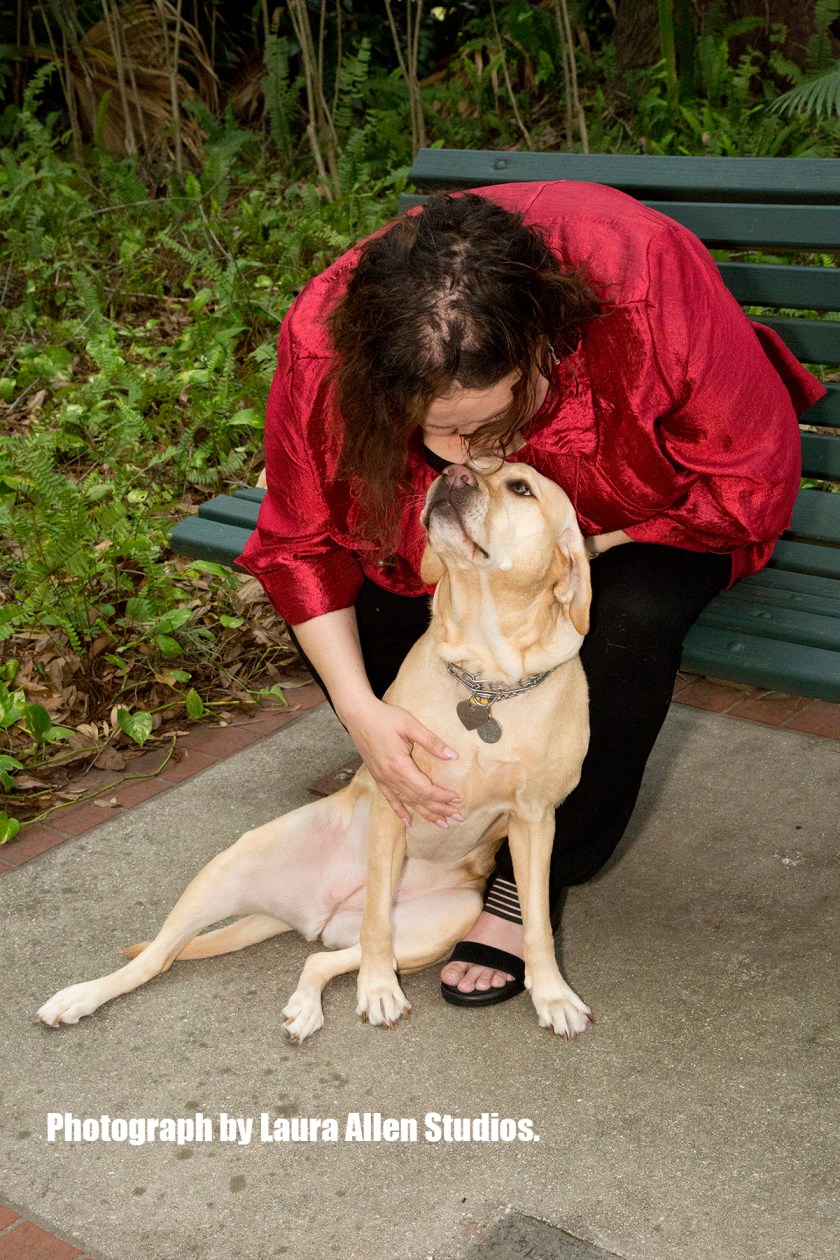
When PJ walked into the room, there was an instant connection, as the dog jumped into Shauna’s arms. PJ licked away the remnants of Shauna’s tears and leaned into her, never leaving her side. Now the training, that would eventually transform Shauna’s life, could commence.

It wasn’t until day 10 of training that Shauna gained complete trust in PJ. The dog, who usually walked on Shauna’s left side, stopped in front of her and would not heel. Frustrated, Shauna tried several times to correct PJ, but the dog stubbornly refused to budge. Walking across Shauna’s path was a black snake that she would have stepped on had PJ not stepped in front of her. It’s what is known as intelligent disobedience. The SEGD dogs are taught 40 different commands, but intelligent disobedience, like the one PJ displayed, is instinctive. These dogs have saved lives, keeping people from falling off docks, or warning them of low hanging branches. And, just think about silent cars, like the Prius, on the roadways.

Shauna eventually moved from the comfort of her hometown in Lakeland to Palmetto with PJ. She now has a new apartment, a new job and is making new friends. “We still have our moments, when I sometimes think I know what’s right. But, PJ knows better than I do,” said Shauna. She confesses that PJ sleeps with her, taking up most of the bed and all of the pillows. Their morning routine includes PJ heading back to bed twice; the first time while Shauna is brushing her teeth. The second time is while she is getting dressed.

Fear of the unknown has a way of creeping in, bringing back the occasional moment of anxiety or depression. “If I have a panic attack, PJ will just put her head in my lap until I calm down. She never stops surprising me.”

“Self confidence is the best outfit,” said Shauna English.

No matter how Shauna is feeling, she is reminded daily, and lives by her late mother’s motivational words: “You can get up, dress up and show up.” And, that is just what Shauna and PJ do, every single day.

As soon as PJ hears her harness, she knows it’s time to go to work. She jumps out of bed to sit in front of Shauna, who is dressed for the day, by now. “I ask her to let me check her breath which is her signal to give me kisses,” said Shauna. After putting on the harness, Shauna accessorizes PJ’s collar with either a big bow or silk flower, color coordinated to match whatever she is wearing.

“The day we met, PJ jumped into my arms and into my heart,” said Shauna. “She rescued me. In the past, when using the white cane, I was always tentative. It never gave me confidence. In fact, I’d found that some people don’t respect the white cane, perhaps seeing it as a sign of weakness. PJ’s confidence now gives me confidence to do more things.”

Each night, as the two are snuggled in bed, Shauna sings a special song to PJ before they fall asleep. You are my sunshine, my only sunshine. You make me happy when skies are blue. You’ll never know, dear, how much I love you. Please don’t take my sunshine away.

“PJ is the light in my dark world,” said Shauna. “I joke that I came to Southeastern Guide Dogs looking for a soul mate. Instead, I found my heartbeat.”

17GuideDog 077_Edit copy

Southeastern Guide Dogs (SEGD) 4210 77th St. East Palmetto, Florida 34221 941.729.5665 GuideDogs.org SEGD provides Guide Dogs, Service Dogs, Emotional Support Dogs, Facility Therapy Dogs and Gold Star Family Dogs. SEGD is dually accredited by the two premier, global accreditation bodies: The International Guide Dog Federation and Assistance Dogs International.

The Art of Dog: Cover Artist Anna Hamilton Fields.

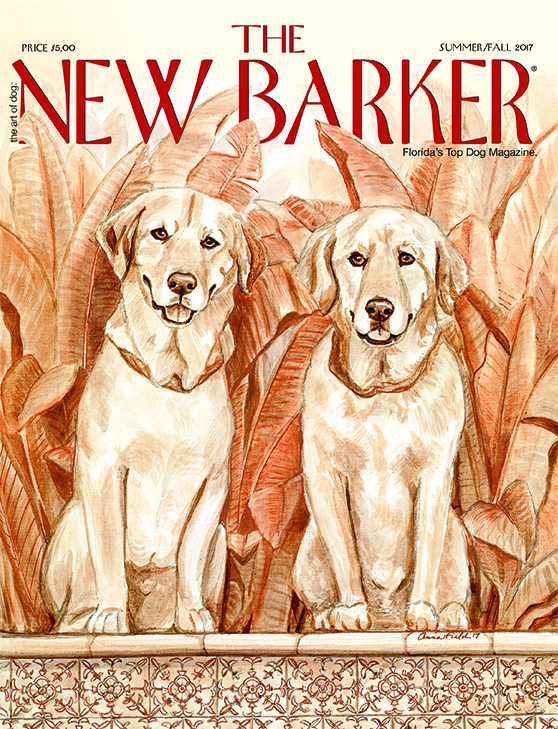
Every cover of The New Barker dog magazine has featured an original work of art by a different artist, since our first issue debut in December 2006. The current issue, Summer/Fall 2017, is by Anna Hamilton Fields. Using acrylic, the portrait of Captain and Costa was created in Sepia tones, using only shades of browns.

Anna Hamilton Fields grew up in Saratoga Springs, New York. She has been drawing and painting since she was a child. As a youth, her summers were spent drawing horses at the local thoroughbred track and using her own pets as subjects. Her love of art continued through school, followed by attendance at the The Sage Colleges for Fine Arts and Art Therapy. After college, Anna moved to Williamsburg, Virginia where she started drawing pastel portraits at theme parks and events while continuing to paint children and animal portraits.

When she moved to Dunedin, Florida in 1999, Anna started doing murals for a local faux finishing company. Realizing this was her niche, she started her own business. Soon many of the small businesses in Dunedin had Anna painting murals for them. Local residents began hiring Anna to paint in their homes. Word spread and soon Anna’s murals were popping up all over the Bay Area. Now she works with a high end interior design firm doing custom wall finishes and continues to work with her own clients to make their homes and businesses beautiful.

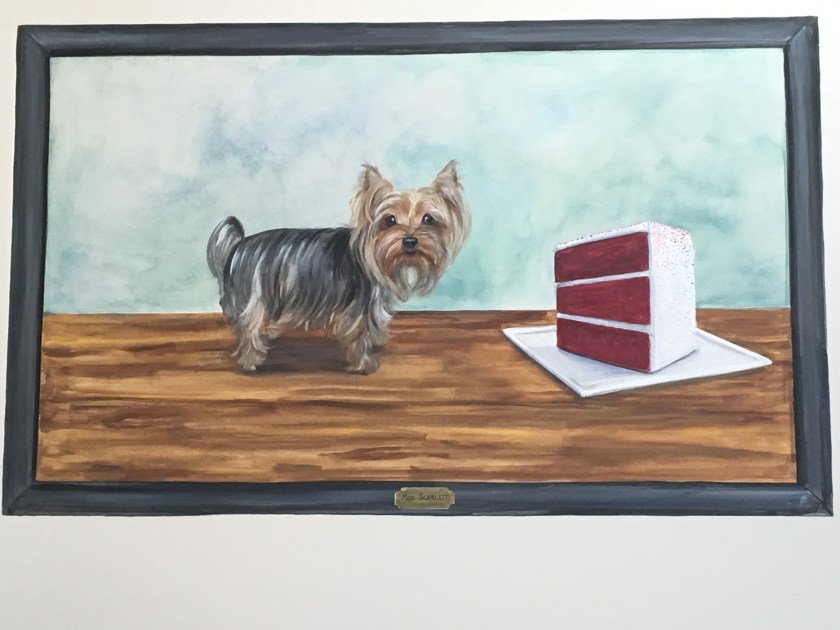
Anna considers the Dogedin dog wall on Skips Bar and Grill in downtown Dunedin to be one of her greatest achievements. More than 400 people have donated to Dunedin Dog Rescue to have their pets’ portraits painted on the mural. That mural has spawned a new way to help people and their pets. In late 2010 Anna and her friend, Dawn Catacchio founded Murals for Mutts, Inc., a 501c3 non-profit organization that raises money for animal welfare by painting pet portraits and pet murals in communities around the country.

Dunedin_DogWall
Mural on the exterior wall of Skip’s Bar & Grill, Dunedin, FL

What I’ve Learned. Anna Hamilton, In Her Words. Since much of my artwork is done outdoors, I use acrylic, water-based paint because it dries faster.

My career as an artist began at Busch Gardens-Williamsburg, drawing pastel portraits of visitors to the park. At the same time, I began doing custom art — pet and people portraits in pastel. Ancestors on my father’s side of the family were illustrators and painters, so I guess you could say I was born to be an artist.

My favorite childhood pet was Annie, a Cairn Terrier. She claimed me and was very protective of me. She could throw a tennis ball by popping it with her teeth. It once landed the ball right in my cereal bowl. Luke, a rescued Pit-Bull mix, has been the leader of our pack since 2012. He oversees five cats, including his favorite, Mini. Luke and Mini play and snuggle while the others probably think he is just a big dumb cat.

In my home studio, Luke is always by my side and two cats are always in there as well. A studio at home is great because it allows me to paint anytime I want. I sometimes listen to music via Pandora on my phone when painting murals. In my studio, the TV is usually on in the background — Investigative Discovery Channel or Forensic Files are my guilty pleasures.

PCAS_Wall
Mural, interior wall, at Pinellas County Animal Services.

Projects I’m working on now: Illustrating Dunedin author Joseph Sedona’s new book, Musical Mayhem. It’s the second book we’ve worked on together, the first being The Magic Westinheimer. Also, ongoing murals at Pinellas County Animal Services and Pet Pal Animal Shelter in St. Petersburg.

Making sure the pets are happy first is how I start my day. Then for mural work, it’s imperative that the car is loaded properly — ladder, paint, photos, brushes, drop cloths, chalk level, etc. — or it can really mess up my day, having to find something at a paint or hardware store.

As a painter, all the colors in my palette are important, but red and turquois are my favorites. I watched the original movie version of Moulin Rouge and became intrigued by the artist, Toulouse Lautrec. I have often thought of what it might be like to have known him.

IMG_4469
Mural inside Swah-Rey Dessert Bar, St. Petersburg, Florida.

It’s inspiring to know so many selfless people who work in animal rescue.It can be a thankless effort at times, but so necessary and even courageous.

Everett_Dogs_LAS_Outtake
Behind the scenes of a cover shoot with Captain and Costa  Everett.

ABOUT CAPTAIN & COSTA – During the Mad Hatters Tea Party, a fundraising event for Frankie’s Friends at Eddie V’s in Tampa, Julie Everett and her family bid on and won an opportunity to have their dogs’ portraits painted for a cover of The New Barker dog magazine. Laura Allen Studios photographed the dogs for us at Julie’s Tampa home for this issue’s cover. Their portrait was painted by Anna Fields. The two dogs were complete gentlemen during their photo session. Julie described Captain as always having a smile on his face. “He wants to cuddle with everyone and loves to play with the other dogs,” said Julie. “He is the captain of our home.” Costa can be described as tall, dark and handsome. “He is the laid back and chill member of our family,” said Julie. “He loves the water and will swim for hours if we let him. Costa can be a little reserved, but once you get to know him, his adorable personality comes out. Both dogs love each other and are inseparable.” Frankie’s Friends was created under another name in 1999 by Tampa veterinarian Dr. Neil Shaw, co-founder of BluePearl Veterinary Partners. He formed the non-profit to help provide health care to pets whose families could not afford the necessary treatment. In 2005, the DeBartolo Family Foundation offered to support Shaw’s vision with a substantial donation, following the death of the family’s beloved Greyhound, Frankie. FrankiesFriends.org

Anna’s Contact information For inquiries about dog walls or animal paintings, contact muralsformutts@gmail.com For home or business murals or artwork, contact annaartist10@gmail.com. MuralsForMutts.com

Florida Bound For A Fresh Start.

Eighteen of the original 21 alleged fighting dogs that were facing a death sentence in Ontario are coming to Florida for rehabilitation. They will live on a 12-acre farm run by Aimee Sadler, a renowned canine behavior modification specialist. Sadler has agreed to assume ownership of the dogs, who are scheduled to arrive on the farm some time in August. Fulltime staff is being prepared to care for the dogs over the next six months. Enrichment training will include daily walks, basic and more advanced training to help them integrate into play groups and allow the dogs to socialize with other animals and people.

The public journey for these dogs began in October 2015 when authorities seized a total of 31 “pit bull-type dogs” from a home near Chatham, Ontario. The raid led to animal cruelty and firearm-related charges against five people.

During the raid, officials found a grim scene in a building at the back of the property, behind a sign that read “Dirty White Boy Kennels.” Medical kits with injectable solutions and vitamin supplements, anabolic steroids, suture and skin staple kits, syringes, surgical tools, lists of names of dogs, training and weight schedules, muzzles, sticks and weight training harnesses, and dog-fighting contracts. All of the dogs were attached to chains that were tied to metal stakes in the ground. An inspector noted that “the majority of the adult dogs had severe scarring consistent with dog fighting. The scars were primarily located on the head, neck and forelimbs of the dogs.”

The dogs were transferred to the care of the Ontario Society for the Prevention of Cruelty to Animals (OSPCA). Three dogs were euthanized for medical reasons following the recommendations by to veterinarians. The remaining 28 were evaluated by the ASPCA which deemed 21 of the dogs a menace to society and could not be rehabilitated. The OSPCA filed a court application to have the remaining 21 euthanized.

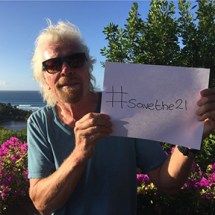
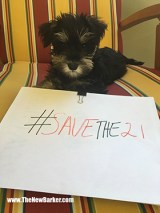
Dog Tales, a dog rescue and horse sanctuary north of Toronto and Animal Justice, an animal rights organization, intervened in court. The judge denied their attempts to intervene this past December. In February, Dog Tales launched a publicity campaign called #SaveThe21. Celebrity endorsements came from Sir Richard Branson, actress Maggie Q, and Angel, a staff member of The New Barker dog magazine.

BransonMaggieQAngel_#SaveThe21

Dog Tales pushed for a second assessment earlier this year, which was a turning point for the dogs. “That second assessment has shown some slight improvement as a direct result of our daily care and some promise for rehabilitation,” said Jennifer Bluhm, deputy chief of the OSPCA. She called the Florida arrangement “almost unprecedented”, adding, “These dogs range in behaviors from extremely aggressive to unpredictable. They were bred to fight and trained to kill. A wagging tail is not always a sign these dogs are safe for interaction with other animals or people.”

Rob Scheinberg, owner of Dog Tales along with his wife, said he fought hard for the dogs because he owned a Pit Bull for 17 years. He is against Ontario’s breed-specific legislation that bans them. “It has been a long battle and I’m very happy that these dogs are getting this chance,” Scheinberg told The Canadian Press. He will be driving the dogs to Florida in a modified bus. “I think for most of them, the future is a good one. There’s a long road ahead for these dogs and we’re going to closely follow all of them.” Dog Tales will be funding the dogs’ rehabilitation, veterinary care, and food.

Dogfighting Ring 20170725

What Pet Should I Get?

Theodor Seuss Geisel, also known as Dr. Seuss, died in 1991, leaving behind boxes and boxes of stuff. Soon after his death, his widow, Audrey, packed most of it and shipped it away for proper archiving. Around 2013, Seuss’ longtime assistant Claudia Prescott called Cathy Goldsmith, a publisher at Random House. She had found something very special – a treasure trove of drawn cartoons on onion paper with typed text, taped precisely into place on each page. The fragile originals were to be the book “What Pet Should I Get” by  Dr. Seuss. The writing and drawings were complete, but still required some art decisions, backgrounds and shading.

“I tried to do the job he would do if he were doing it today,” said Goldsmith. “I also wanted it to be a piece that, when somebody looked at, they would know it is a Dr. Seuss book.” Goldsmith started working on Dr. Seuss books in 1978. She remembers the first time she met the author, a tall, imposing figure with a wicked sense of humor. She had no idea what to call him. “No one else called him Dr. Seuss,” said Goldsmith. He finally noticed that she was awkwardly avoiding using his hame and told her to call him Ted.

Goldsmith would end up working with Ted for the next 11 years. Toward the end of his life, when he was too ill to finish coloring in the final pages of “Oh, the Places You’ll Go!,” he called Ms. Goldsmith. She flew out and stayed at his home for several days, coloring under his direction.

“What Pet Shall We Get” was written some time between 1958 and 1962, a time when pets were spoken about a bit differently than we do today. Goldsmith tweaked the script to encourage people to adopt, rather than buy, pets.

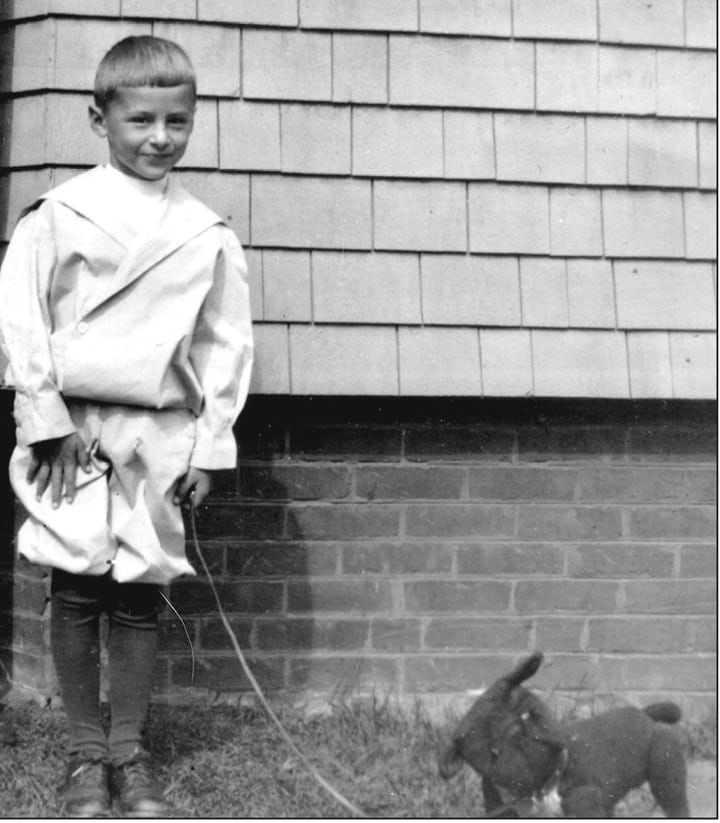
Dr. Seuss was an animal lover. His first “pet” was a brown stuffed toy dog given to him by his mother. He named the dog Theophrastus. He would keep Theophrastus for the rest of his life. The stuffed dog was often seen perched near his drawing board. Just before he died, at the age of 87, Dr. Seuss gave Theophrastus to his stepdaughter Lea Grey. “You will take care of the dog, won’t you?” he asked her.

Ted and Theophrastus
Theodor Seuss Geisel and his first “pet” a stuffed dog.

Ted (Dr. Seuss) got his first real live dog around 1914 when he was 10 years-old. Rex was a Boston Bulldog who had a habit of walking on three of his four feet. Perhaps this habit inspired Dr. Seuss to create odd-legged animals in his books.

Ted and Rex
Rex, a Boston Bulldog, was Ted’s first real live dog.

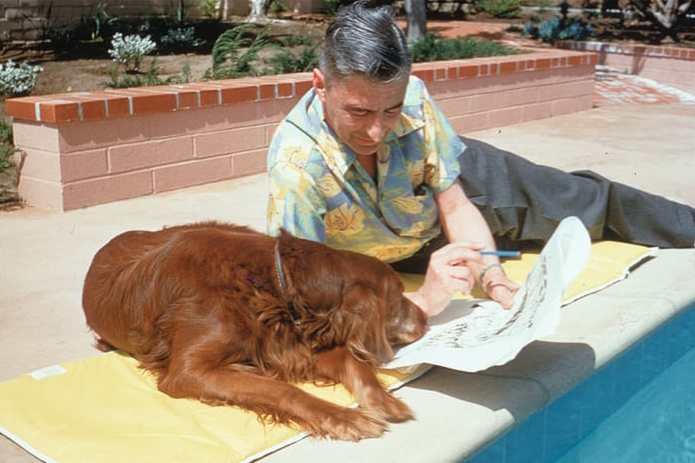
Ted and his wife Helen loved big dogs. In this photograph, Cluny sits with Ted by the pool at their home in La Jolla, California in 1957. This was around the time that Random House published Dr. Seuss’s 13th book, “The Cat in the Hat.”

Cluny and Ted
Cluny checks out some of Dr. Seuss’s drawings.
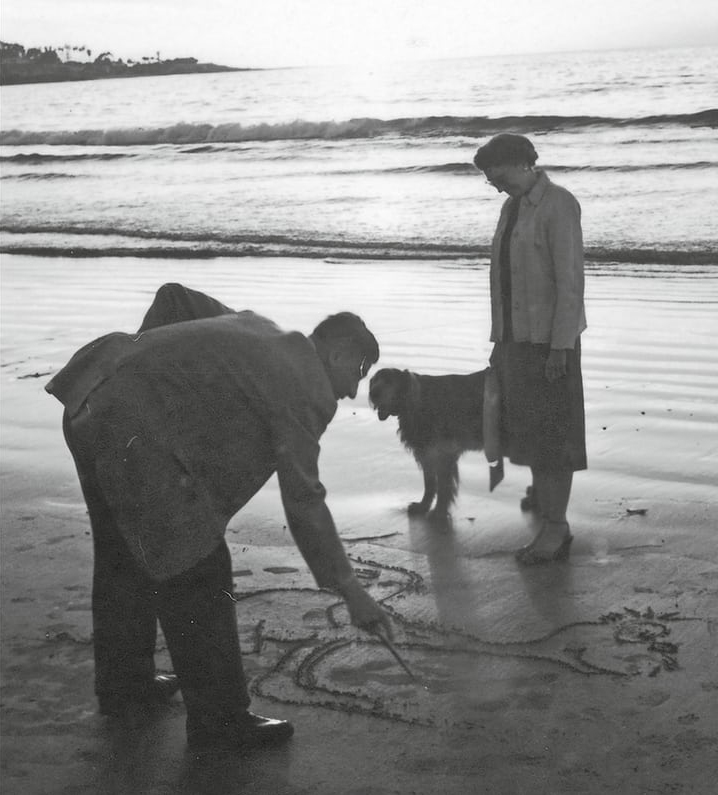
Ted, Helen and Cluny
At the beach, Helen and Cluny watch as Dr. Seuss draws a creation in the sand.

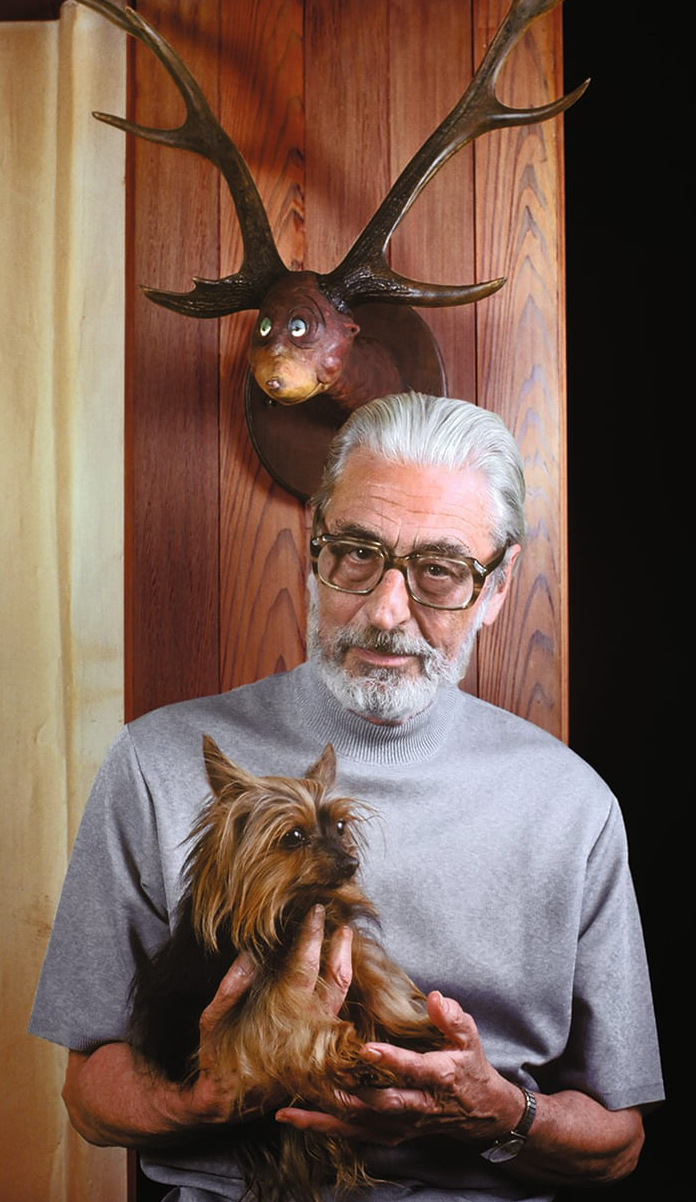
After Helen died, Ted remarried. His second wife, Audrey, loved small dogs. This is Ted and Samantha, a Yorkshire Terrier, the first of several Yorkies he and Audrey lived with over the years. Photobombing Ted and Sam is one of his creations – a Semi-Normal-Green-Lidded Fawn.

Ted and Samantha
Sam would be one of several Yorkies who lived with Ted and his second wife Audrey.

Dr. Seuss wrote over 60 books, beginning in 1931. “Green Eggs and Ham” was his biggest seller with 17.5 million copies sold, to date. “The Cat in the Hat” is next with 15.5 million copies sold to date. When “What Pet Should I Get” was released on July 28, 2015, 200,000 copies were sold in the first week, making it the fastest-selling picture book in Random House Children’s Books history.