Florida Bound For A Fresh Start.

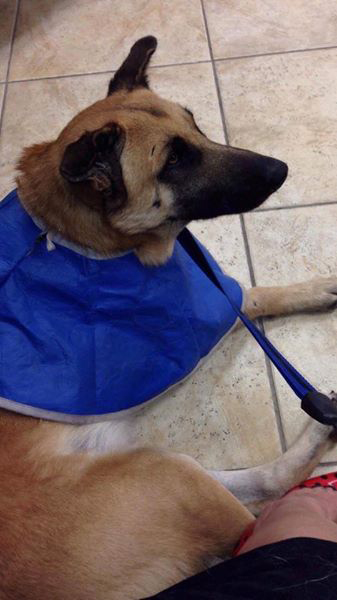
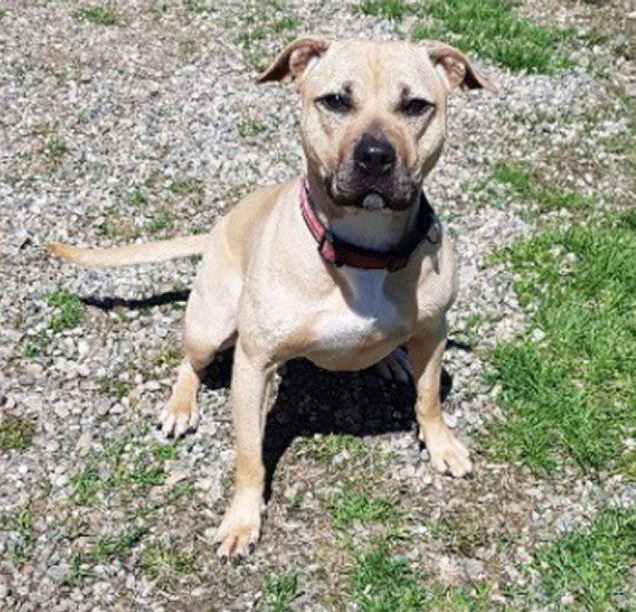
Eighteen of the original 21 alleged fighting dogs that were facing a death sentence in Ontario are coming to Florida for rehabilitation. They will live on a 12-acre farm run by Aimee Sadler, a renowned canine behavior modification specialist. Sadler has agreed to assume ownership of the dogs, who are scheduled to arrive on the farm some time in August. Fulltime staff is being prepared to care for the dogs over the next six months. Enrichment training will include daily walks, basic and more advanced training to help them integrate into play groups and allow the dogs to socialize with other animals and people.

The public journey for these dogs began in October 2015 when authorities seized a total of 31 “pit bull-type dogs” from a home near Chatham, Ontario. The raid led to animal cruelty and firearm-related charges against five people.

During the raid, officials found a grim scene in a building at the back of the property, behind a sign that read “Dirty White Boy Kennels.” Medical kits with injectable solutions and vitamin supplements, anabolic steroids, suture and skin staple kits, syringes, surgical tools, lists of names of dogs, training and weight schedules, muzzles, sticks and weight training harnesses, and dog-fighting contracts. All of the dogs were attached to chains that were tied to metal stakes in the ground. An inspector noted that “the majority of the adult dogs had severe scarring consistent with dog fighting. The scars were primarily located on the head, neck and forelimbs of the dogs.”

The dogs were transferred to the care of the Ontario Society for the Prevention of Cruelty to Animals (OSPCA). Three dogs were euthanized for medical reasons following the recommendations by to veterinarians. The remaining 28 were evaluated by the ASPCA which deemed 21 of the dogs a menace to society and could not be rehabilitated. The OSPCA filed a court application to have the remaining 21 euthanized.

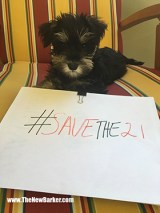
Dog Tales, a dog rescue and horse sanctuary north of Toronto and Animal Justice, an animal rights organization, intervened in court. The judge denied their attempts to intervene this past December. In February, Dog Tales launched a publicity campaign called #SaveThe21. Celebrity endorsements came from Sir Richard Branson, actress Maggie Q, and Angel, a staff member of The New Barker dog magazine.
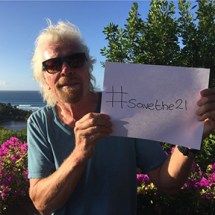
BransonMaggieQAngel_#SaveThe21

Dog Tales pushed for a second assessment earlier this year, which was a turning point for the dogs. “That second assessment has shown some slight improvement as a direct result of our daily care and some promise for rehabilitation,” said Jennifer Bluhm, deputy chief of the OSPCA. She called the Florida arrangement “almost unprecedented”, adding, “These dogs range in behaviors from extremely aggressive to unpredictable. They were bred to fight and trained to kill. A wagging tail is not always a sign these dogs are safe for interaction with other animals or people.”

Rob Scheinberg, owner of Dog Tales along with his wife, said he fought hard for the dogs because he owned a Pit Bull for 17 years. He is against Ontario’s breed-specific legislation that bans them. “It has been a long battle and I’m very happy that these dogs are getting this chance,” Scheinberg told The Canadian Press. He will be driving the dogs to Florida in a modified bus. “I think for most of them, the future is a good one. There’s a long road ahead for these dogs and we’re going to closely follow all of them.” Dog Tales will be funding the dogs’ rehabilitation, veterinary care, and food.

Dogfighting Ring 20170725

What Pet Should I Get?

Theodor Seuss Geisel, also known as Dr. Seuss, died in 1991, leaving behind boxes and boxes of stuff. Soon after his death, his widow, Audrey, packed most of it and shipped it away for proper archiving. Around 2013, Seuss’ longtime assistant Claudia Prescott called Cathy Goldsmith, a publisher at Random House. She had found something very special – a treasure trove of drawn cartoons on onion paper with typed text, taped precisely into place on each page. The fragile originals were to be the book “What Pet Should I Get” by  Dr. Seuss. The writing and drawings were complete, but still required some art decisions, backgrounds and shading.

“I tried to do the job he would do if he were doing it today,” said Goldsmith. “I also wanted it to be a piece that, when somebody looked at, they would know it is a Dr. Seuss book.” Goldsmith started working on Dr. Seuss books in 1978. She remembers the first time she met the author, a tall, imposing figure with a wicked sense of humor. She had no idea what to call him. “No one else called him Dr. Seuss,” said Goldsmith. He finally noticed that she was awkwardly avoiding using his hame and told her to call him Ted.

Goldsmith would end up working with Ted for the next 11 years. Toward the end of his life, when he was too ill to finish coloring in the final pages of “Oh, the Places You’ll Go!,” he called Ms. Goldsmith. She flew out and stayed at his home for several days, coloring under his direction.

“What Pet Shall We Get” was written some time between 1958 and 1962, a time when pets were spoken about a bit differently than we do today. Goldsmith tweaked the script to encourage people to adopt, rather than buy, pets.

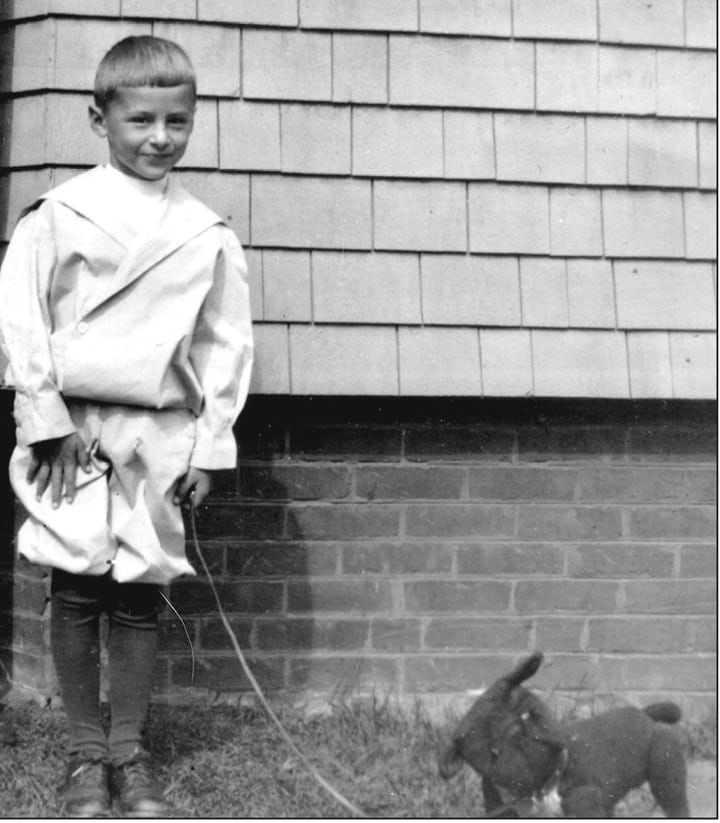
Dr. Seuss was an animal lover. His first “pet” was a brown stuffed toy dog given to him by his mother. He named the dog Theophrastus. He would keep Theophrastus for the rest of his life. The stuffed dog was often seen perched near his drawing board. Just before he died, at the age of 87, Dr. Seuss gave Theophrastus to his stepdaughter Lea Grey. “You will take care of the dog, won’t you?” he asked her.

Ted and Theophrastus
Theodor Seuss Geisel and his first “pet” a stuffed dog.

Ted (Dr. Seuss) got his first real live dog around 1914 when he was 10 years-old. Rex was a Boston Bulldog who had a habit of walking on three of his four feet. Perhaps this habit inspired Dr. Seuss to create odd-legged animals in his books.

Ted and Rex
Rex, a Boston Bulldog, was Ted’s first real live dog.

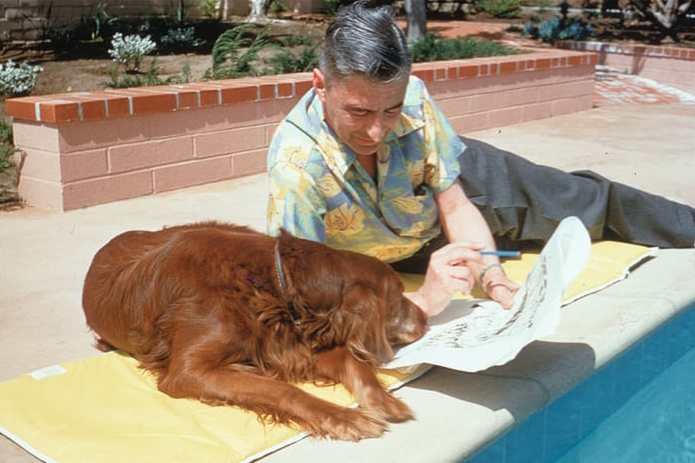
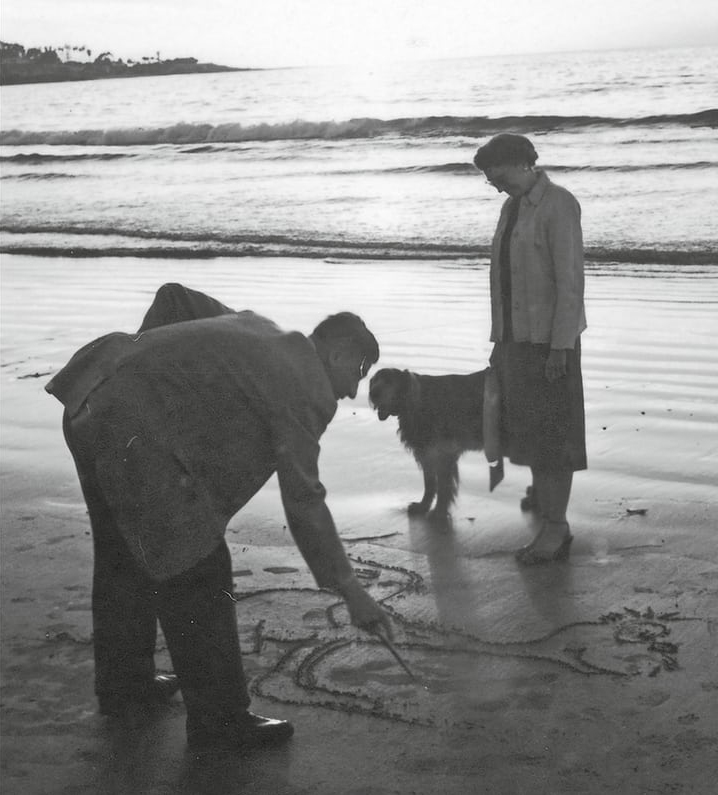
Ted and his wife Helen loved big dogs. In this photograph, Cluny sits with Ted by the pool at their home in La Jolla, California in 1957. This was around the time that Random House published Dr. Seuss’s 13th book, “The Cat in the Hat.”

Cluny and Ted
Cluny checks out some of Dr. Seuss’s drawings.
Ted, Helen and Cluny
At the beach, Helen and Cluny watch as Dr. Seuss draws a creation in the sand.

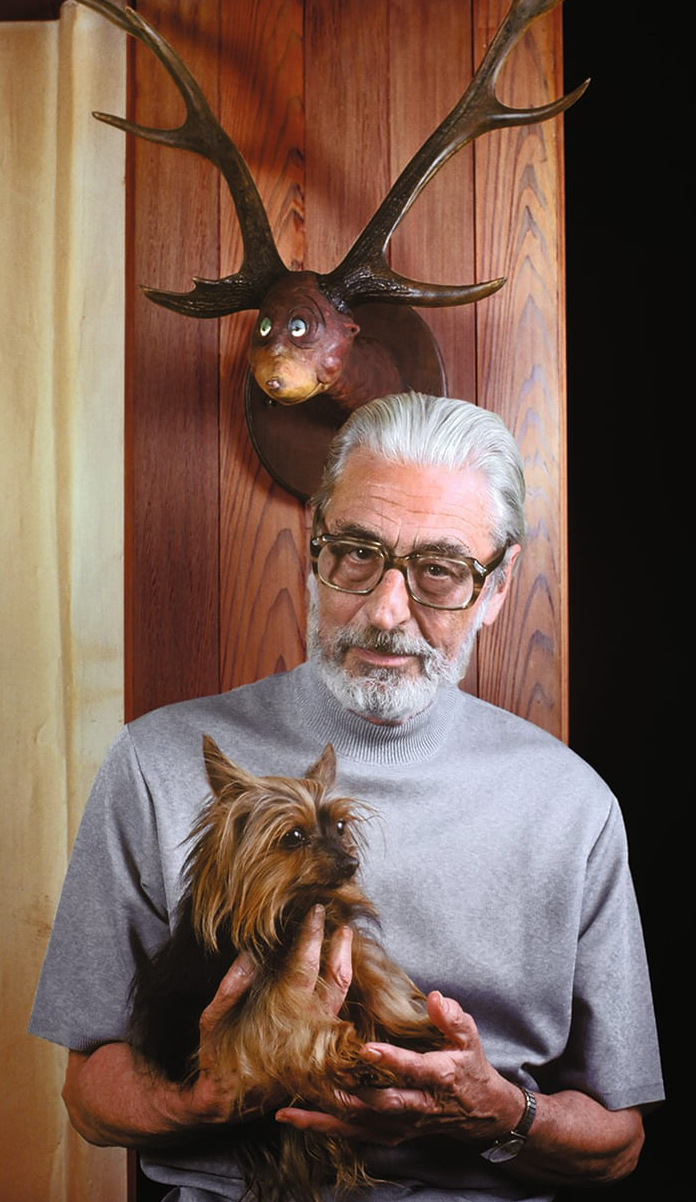
After Helen died, Ted remarried. His second wife, Audrey, loved small dogs. This is Ted and Samantha, a Yorkshire Terrier, the first of several Yorkies he and Audrey lived with over the years. Photobombing Ted and Sam is one of his creations – a Semi-Normal-Green-Lidded Fawn.

Ted and Samantha
Sam would be one of several Yorkies who lived with Ted and his second wife Audrey.

Dr. Seuss wrote over 60 books, beginning in 1931. “Green Eggs and Ham” was his biggest seller with 17.5 million copies sold, to date. “The Cat in the Hat” is next with 15.5 million copies sold to date. When “What Pet Should I Get” was released on July 28, 2015, 200,000 copies were sold in the first week, making it the fastest-selling picture book in Random House Children’s Books history.

One Dog At A Time.

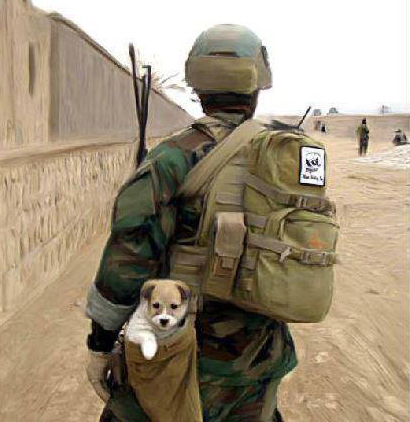
In 2006, during a tour of duty in the Afghanistan town of Now Zad, Royal Marine Sergeant Pen Farthing helped break up a dogfight. Located in Helmand Province, this was an area once described as the most dangerous place on Earth. Pen could not resist the soulful eyes of one of the street dogs he saved, whose ears had been cut off for fighting. He ended up befriending the dog and named him Nowzad.

Pen_Nowzad
Pen Farthing and Nowzad.

After his tour of duty ended, Pen went through a difficult process to bring Nowzad home to the UK. He quickly realized that he wasn’t the only one hoping to do the same. Pen founded NOWZAD, and soon began the process of reuniting dogs with the soldiers who had befriended them in war zones around the world, including Afghanistan, Iraq, Ukraine, Kuwait and Libya. Through donations, happy homecoming destinations have included USA, UK, Australia, Belgium, Canada, Germany, Holland, Italy, Spain, Jordan and South Africa.

Seven of the rescued street dogs have become fully fledged service dogs in the United States. The dogs are a much valued and loved lifeline to their veterans who have been diagnosed with PTSD. That these dogs endured a war zone like their handlers only strengthens the connection and understanding.

Service dog Hannah with Nate
Nate, reunited with Hannah through the efforts of NOWZAD. Hannah is now Nate’s service dog.

“As the troop sergeant in Afghanistan, I was there to motivate the guys and get them fired up again to go out and do the job. But no one was doing that for me,” said Pen. “My time with this dog was a way of de-stressing, collecting my thoughts and popping my head back in the game.”

KIA_TNB
Lexi, moments after being rescued. Sadly, Staff Sergeant David P. Day, 26 of Gaylord, MI, later gave his life in service with Fox Company, 2nd Marine Special Operations Battalion, during combat operations in Badges Province, Afghanistan, April 24, 2011.

Hope For Animals In A War-Tone Region. The charitable organization has reunited more than 900 dogs and cats with the soldiers. NOWZAD also runs the only animal shelter and clinic of its kind in all of Afghanistan. Currently, it is home to around 150 dogs, 40 cats and six donkeys. The modern veterinary clinic is staffed by a team of Afghan nationals. In addition to animal welfare education, NOWZAD’s mission at the clinic is the prevention of the spread of rabies. They are also implementing a humane trap, neuter, vaccinate and return program in Kabul for cats.

Who Rescued Whom? Often, the brave men and women serving their countries in war zones around the world, find themselves adopting a stray dog or cat struggling to survive. The animals end up providing a respite from war; a moment of peace, home and love. Leaving them behind, after their tour of duty is over, is unthinkable for many of these soldiers. NOWZAD arranges for the dog or cat to safely get to the Nowzad clinic where shelter and care are provided. They spay/neuter all rescues and provide any other required medical attention as well as vaccinations. Then, they carry out all necessary checks and paperwork to ensure the animal will arrive to its final destination, back in the arms of its loving warrior.

NOWZAD’s Policy Statement On The Import Of Dogs. There has been an increase of press speculation in reference to the irresponsible importation of dogs in the UK and the US. “It has been reported that more than 30,000 dogs were brought into the UK from the EU alone, with the majority coming from Romania, Bulgaria and Lithuania; many of which are via puppy traffickers or negligent organizations that do not adhere to the strict regulations that are required to import a dog or cat into the UK. Irresponsible dog importation poses a health and safety threat not only to the dog itself, but to other dogs and humans it may come into contact with. Many of the dogs imported are not a typical domesticated dog that easily integrates into a household environment; a fact not always communicated fully to a new owner,” states NOWZAD on its website.  While there have been numerous calls to prevent this international rehoming as standard practice, NOWZAD adds. “Whilst a complete ban would be unfavorable to us as it would prevent us reuniting soldiers with the dogs or cats, we strongly advocate the need for tighter regulations to prevent rogue importers who are detrimental to the hard work of reputable and responsible animal charities like ourselves.”

Cathy Kangas, who sits on the Board of NOWZAD says of Pen, “He has shown that one person can have an amazing impact, bringing good to an environment written off by many. NOWZAD is demonstrating what can be achieved when people from all walks of life and cultures cast differences aside and work toward a common goal.”

Adam_Freedom_2011
November, 2011/JFK Airport. With the help of American Dog Rescue, NOWZAD was able to make this emotional reunion possible between Adam and his battle buddy Freedom.

The New Barker dog magazine was first introduced to Pen Farthing and NOWZAD in 2011 by Florida’s own Arthur Benjamin of American Dog Rescue. Pen has written the bestseller “One Dog at a Time, Saving the Strays of Helmand.” The NOWZAD charity has support from animal lovers all over the world, including Ricky Gervais, who  donated the profits from one of his warm-up gigs, earlier this year. The warm-ups took place ahead of Gervais’ national tour of his stand-up show, appropriately called Humanity.

We See What We Choose To See.

by Anna Cooke, Editor in Chief, The New Barker dog magazine.

Would you be able to tell whether or not someone was homeless just by their appearance? According to the Tampa Hillsborough Homeless Initiative (THHI), data collected in 2016 counted 1817 homeless men, women and children. There are 67 counties in Florida.

Bob Blair, a member of the Tampa Elks organization, helps organize a monthly outreach program that assists the homeless. Once a month, volunteers visit homeless camps throughout the city to provide food, counseling, toiletries and other necessities. The roaming outreaches, as they’ve been dubbed, help to determine where each quarterly outreach program will be held, which is much larger in scope.

During the roaming outreach visits, volunteers have noticed an increase in the number of pets living with many of their homeless humans. While it is clear the pets, mostly cats and dogs, are loved, it is obvious they need care. About half the animals are spayed or neutered.

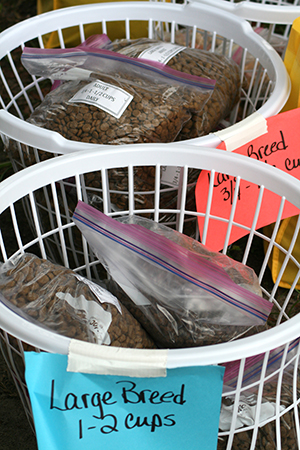
Thankfully, word travels fast among animal lovers, and Victoria Parker of Bayshore Dog Training pulled together some pretty incredible can-do partners, including Second Chance Friends Rescue and 4 Lucky Dogs Pet Rescue. All three organizations pooled their resources and were able to collect large donations of pet food, flea, tick and de-wormer medication, collars, leashes, toys, bowls and tarps. They attended their first quarterly community outreach event as the Homeless Dog Owner Outreach group, which was held yesterday, June 13 at The American Legion Post 111 in Seminole Heights on the corner of Florida Avenue and Sligh.

The group’s volunteers set up tables inside and outside The American Legion. They were just one of many businesses and volunteers donating their products and services to those less fortunate. The Homeless Dog Owner Outreach group connected with more than 50 dog owners, many of whom had not brought their pets with them.

“Oftentimes, when we visit the camps, these folks will refuse any help – whether it’s money or food. There are trust issues with many of these people,” said Bob Blair, the Tampa Elk volunteer. He estimated they would most likely see about 250 people during the day’s event. A hot meal was guaranteed to every person who attended. The food, donated by The Tampa Elks organization, was prepared and being served by Salvation Army volunteers.

“It was an emotional day for me; seeing the gratitude of the people passing by our table,” said Victoria.

“We didn’t know what to expect and ended up helping a lot of grateful people. We gathered good information,” said Bill Gray of Second Chance Rescue. “The biggest thing I learned is that nobody is actively helping these people. We found out that some of the pets are in need of immediate medical care.”

Not everyone reaching out was homeless, but they were definitely in need of assistance, and education. One woman, with two small children, said the family’s young female Chihuahua had lots of fleas. While the medication and supplies were being put together for her, Gray asked if her dog was spayed. “No, we want her to experience motherhood, so we’re going to let her have one litter of puppies before having her fixed.” In a most eloquent and respectful conversation with the woman, Gray was able to convince her that spaying would be beneficial to everyone – the dog and the woman’s family. “Give your contact information to one of our volunteers right here, and we’ll arrange to have your dog spayed. We’ll cover the costs.” The woman looked relieved.

As a result of their willingness to reach out, yesterday, the Homeless Dog Owner Outreach group has been asked to meet with both Metropolitan Ministries and Hillsborough County’s homeless veterans liaison. They are already preparing for the next quarterly outreach program in September.

It would be wonderful to see the Humane Society of Tampa Bay, Animal Coalition of Tampa and the Hillsborough Animal Health Foundation partner with the Homeless Dog Owner Outreach group and provide on-site animal wellness checks, vaccinations and spay/neuter procedures during the Tampa Elks quarterly outreach events.

In a previous issue of The New Barker (winter 2010), we featured a story on Gainesville’s St. Francis House Pet Care Clinic. At that time, the clinic was still operating in the back of the St. Francis House homeless shelter. While driving across town in Gainesville, Chris Machen noticed what others chose to ignore: the proliferation of homeless people with pets; mostly dogs, some cats. She observed how well-loved the pets were when their humans wandered into the St. Francis House soup kitchen and homeless shelter, where she volunteered. Wanting to become more involved in her community, Machen listened as her friend, Gainesville veterinarian Dr. Dale Kaplan-Stein, talked about wanting to open a clinic for animals of Gainesville’s homeless population.

“The homeless are not faceless,” Dr. Kaplan-Stein would tell her detractors. “They are people. Those who say that the poor should not own pets should rethink that statement, because that pet could be the only thing that gives them joy, love and hope. Pets make us all better people. Besides, if these animals are healthier, our community will be healthier.”

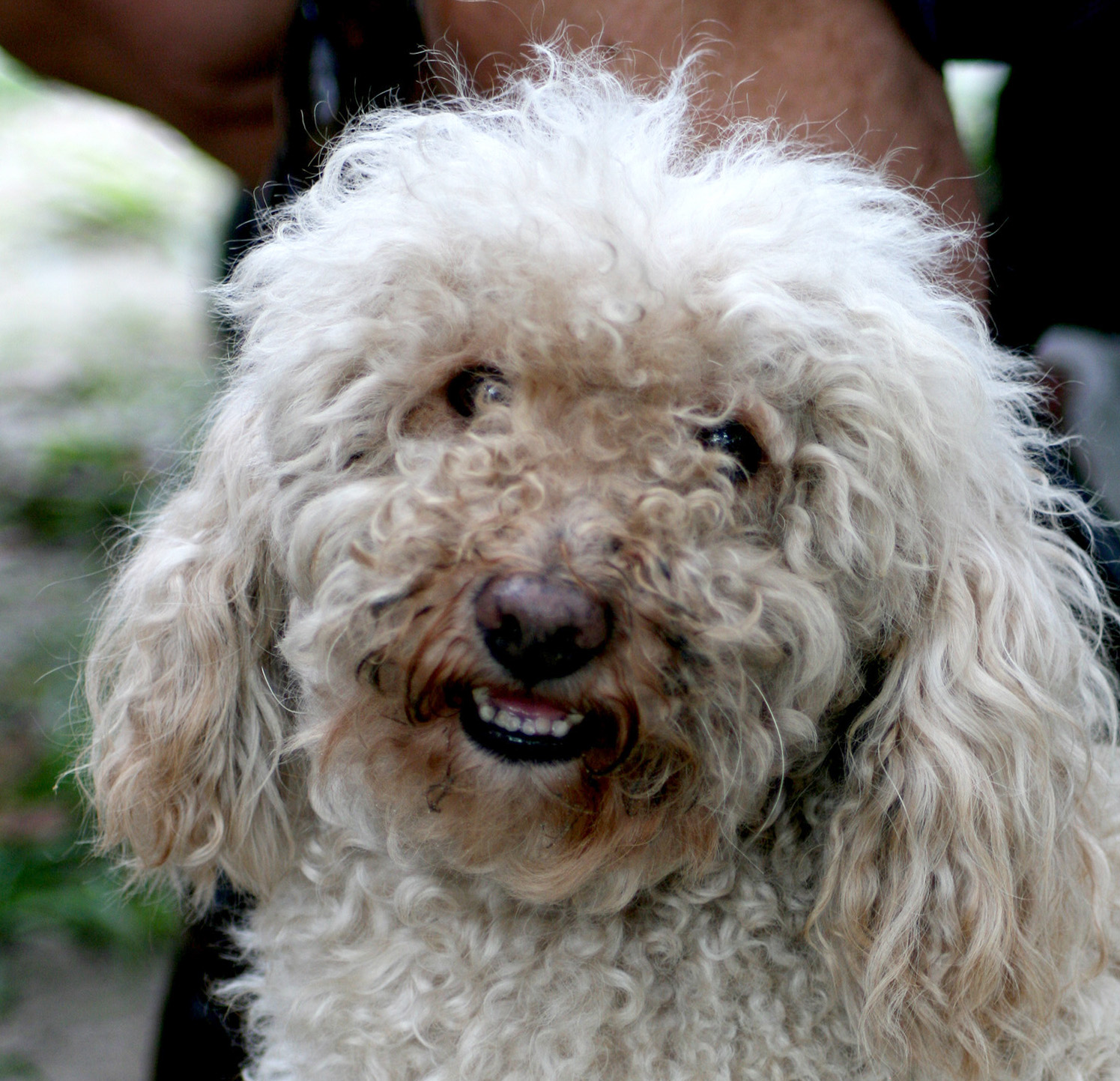
We met Sir Drake, a seven year-old Poodle, during the Community Outreach event for the Homeless in Tampa on Tuesday, June 13. His human, Charles, has lung cancer and is no longer able to drive. The New Barker has made arrangements with Tampa’s Rover Done Over Grooming to visit Charles at home and give Sir Drake a bath and groom.


The Last Will and Testament of Silverdene Emblem O’Neill.

By Eugene O’Neill.

I, SILVERDENE EMBLEM O’NEILL (familiarly known to my family, friends, and acquaintances as Blemie), because the burden of my years and infirmities is heavy upon me, and I realize the end of my life is near, do hereby bury my last will and testament in the mind of my Master. He will not know it is there until after I am dead. Then, remembering me in his loneliness, he will suddenly know of this testament, and I ask him then to inscribe it as a memorial to me.

I have little in the way of material things to leave. Dogs are wiser than men. They do not set great store upon things. They do not waste their days hoarding property. They do not ruin their sleep worrying about how to keep the objects they have, and to obtain the objects they have not. There is nothing of value I have to bequeath except my love and my faith. These I leave to all those who have loved me, to my Master and Mistress, who I know will mourn me most, to Freeman who has been so good to me, to Cyn and Roy and Willie and Naomi and — But if I should list all those who have loved me, it would force my Master to write a book. Perhaps it is vain of me to boast when I am so near death, which returns all beasts and vanities to dust, but I have always been an extremely lovable dog.

I ask my Master and Mistress to remember me always, but not to grieve for me too long. In my life I have tried to be a comfort to them in time of sorrow, and a reason for added joy in their happiness. It is painful for me to think that even in death I should cause them pain. Let them remember that while no dog has ever had a happier life (and this I owe to their love and care for me), now that I have grown blind and deaf and lame, and even my sense of smell fails me so that a rabbit could be right under my nose and I might not know, my pride has sunk to a sick, bewildered humiliation. I feel life is taunting me with having over-lingered my welcome. It is time I said good-bye, before I become too sick a burden on myself and on those who love me. It will be sorrow to leave them, but not a sorrow to die. Dogs do not fear death as men do. We accept it as part of life, not as something alien and terrible which destroys life. What may come after death, who knows? I would like to believe with those of my fellow Dalmatians who are devout Mohammedans, that there is a Paradise where one is always young and full-bladdered; where all the day one dillies and dallies with an amorous multitude of hours, beautifully spotted; where jack rabbits that run fast but not too fast are as the sands of the desert; where each blissful hour is mealtime; where in long evenings there are a million fireplaces with logs forever burning, and one curls oneself up and blinks into the flames and nods and dreams, remembering the old brave days on earth, and the love of one’s Master and Mistress.

I am afraid this is too much for even such a dog as I am to expect. But peace, at least, is certain. Peace and long rest for weary old heart and head and limbs, and eternal sleep in the earth I have loved so well. Perhaps, after all, this is best.

No matter how deep my sleep I shall hear you, and not all the power of death can keep my spirit from wagging a grateful tail.

One last request I earnestly make. I have heard my Mistress say, “When Blemie dies we must never have another dog. I love him so much I could never love another one.” Now I would ask her, for love of me, to have another. It would be a poor tribute to my memory never to have a dog again. What I would like to feel is that, having once had me in the family, now she cannot live without a dog! I have never had a narrow jealous spirit. I have always held that most dogs are good (and one cat, the black one I have permitted to share the living room rug during the evenings, whose affection I have tolerated in a kindly spirit, and in rare sentimental moods, even reciprocated a trifle). Some dogs, of course, are better than others. Dalmatians, naturally, as everyone knows, are best. So I suggest a Dalmatian as my successor. He can hardly be as well bred or as well mannered or as distinguished and handsome as I was in my prime. My Master and Mistress must not ask the impossible. But he will do his best, I am sure, and even his inevitable defects will help by comparison to keep my memory green. To him I bequeath my collar and leash and my overcoat and raincoat, made to order in 1929 at Hermes in Paris. He can never wear them with the distinction I did, walking around the Place Vendôme, or later along Park Avenue, all eyes fixed on me in admiration; but again I am sure he will do his utmost not to appear a mere gauche provincial dog. Here on the ranch, he may prove himself quite worthy of comparison, in some respects. He will, I presume, come closer to jack rabbits than I have been able to in recent years. And for all his faults, I hereby wish him the happiness I know will be his in my old home.

One last word of farewell, Dear Master and Mistress. Whenever you visit my grave, say to yourselves with regret but also with happiness in your hearts at the remembrance of my long happy life with you: “Here lies one who loved us and whom we loved.” No matter how deep my sleep I shall hear you, and not all the power of death can keep my spirit from wagging a grateful tail.

Tao House, December 17th, 1940

“The Light In My Dark World.”

The unveiling of 12 more Superheros On Parade 2017 took place last Thursday evening at the TradeWinds Island Resorts. Each dog sculpture was sponsored by local businesses and individuals to help raise funds for Southeastern Guide Dogs. The design of the dog was created by sculptor Scott Joseph Moore. When he began working on the design and production of the Superheroes on Parade sculptures, Scott discovered that the dogs in his hands became part of his own healing process, as he mourned the loss of his own beloved dog. He found comfort, knowing that the sculptures supported something so meaningful.

Once sponsored, each sculpture was given to one of 12 local artists and transformed into a collaborative vision. There was the TradeWinds Island Resorts own “Splash” by artist Elizabeth Fontaine-Barr. And “Rover,” sponsored by Annex 400 Beach, transformed by artist Marc Levasseur. Artist Anthony Hernandez created “Jack” who was sponsored by TitosVodka (the vodka for dog people, by the way).

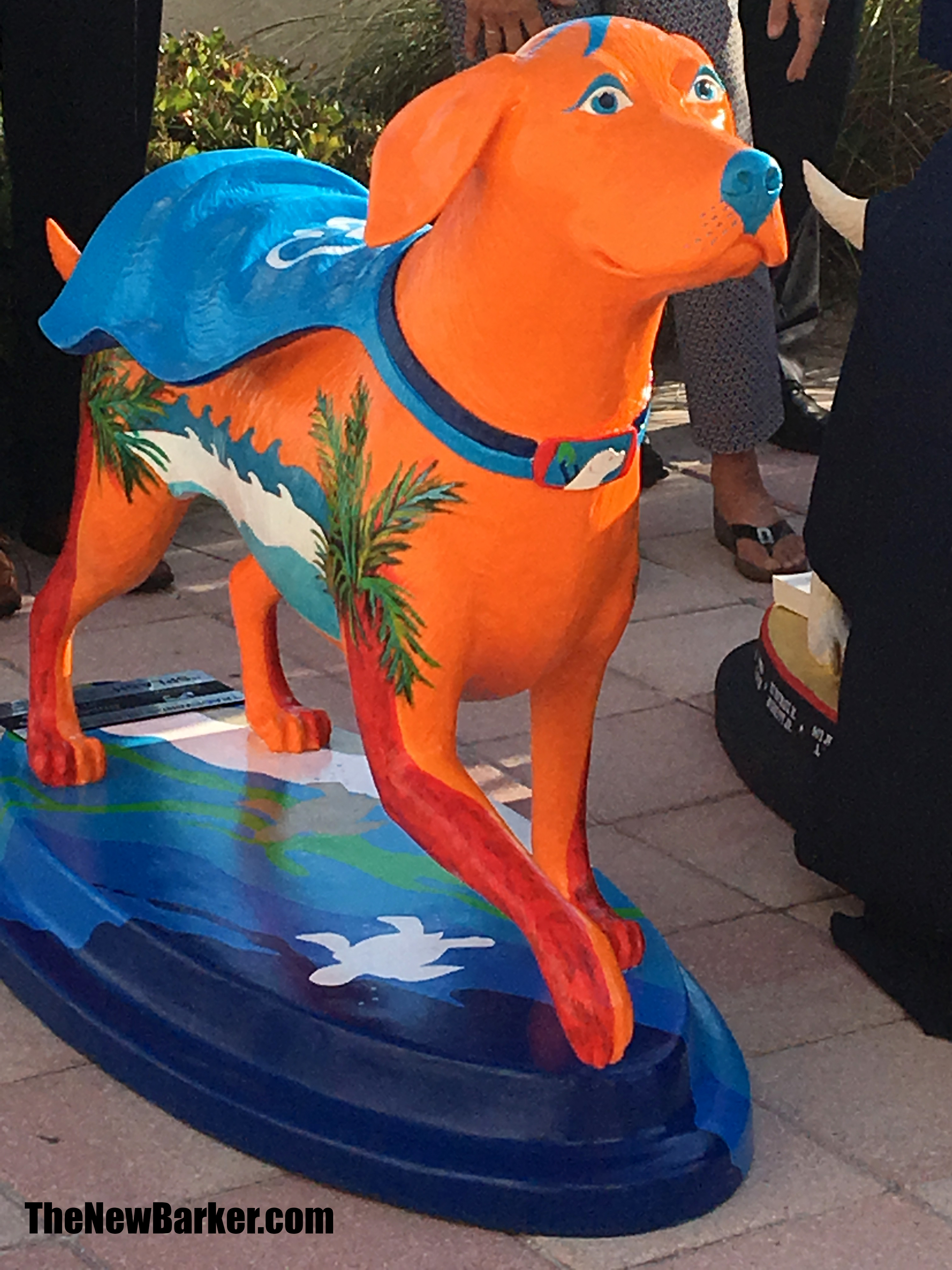
Splash, by artist Elizabeth Fontaine-Barr. Sponsored by TradeWinds Island Resorts. Photograph by Anna Cooke.

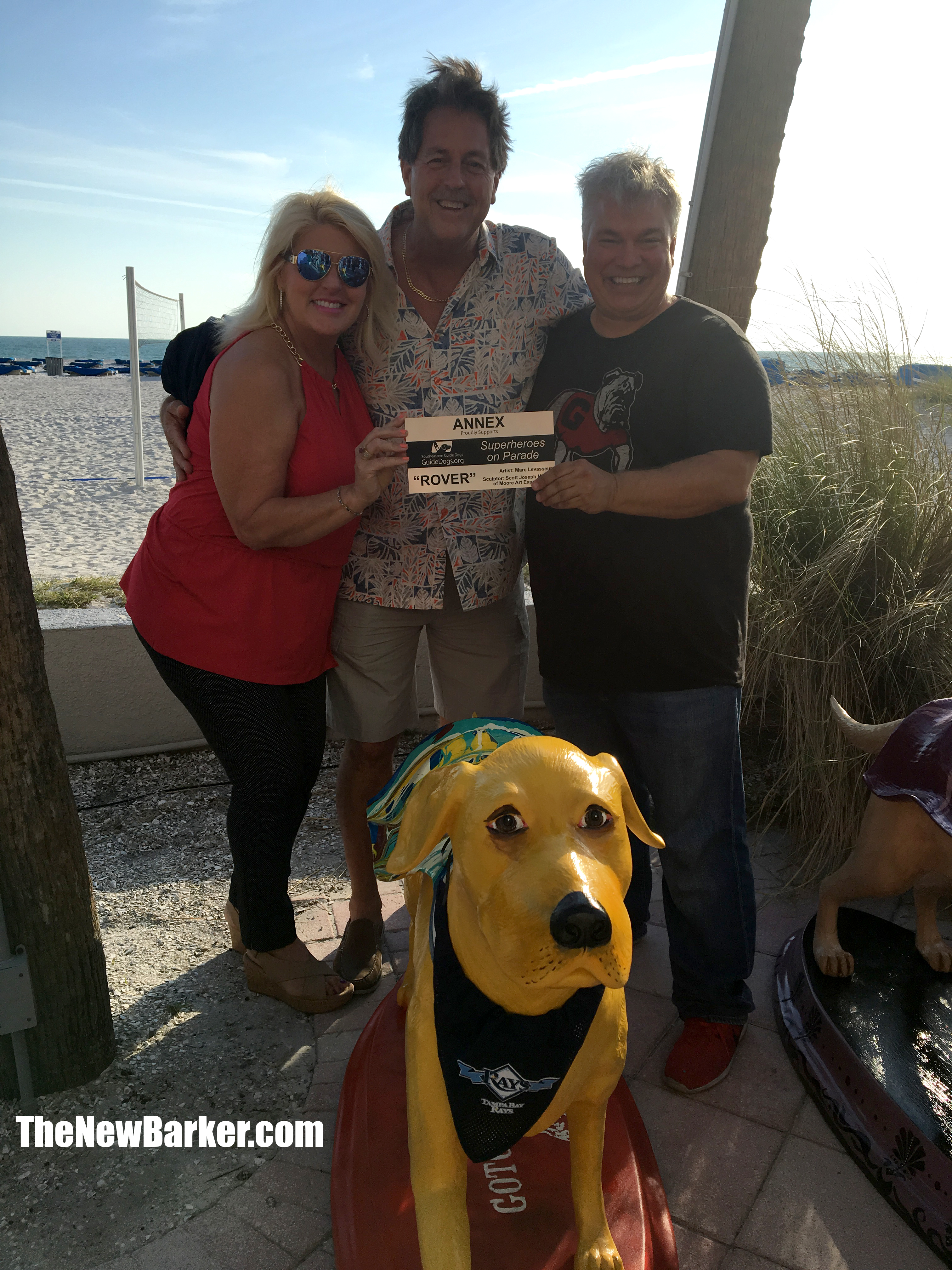
Nancy Safford Westphal, Steve Westphal and artist Marc Levasseur pose with “Rover.” Photograph by Anna Cooke.
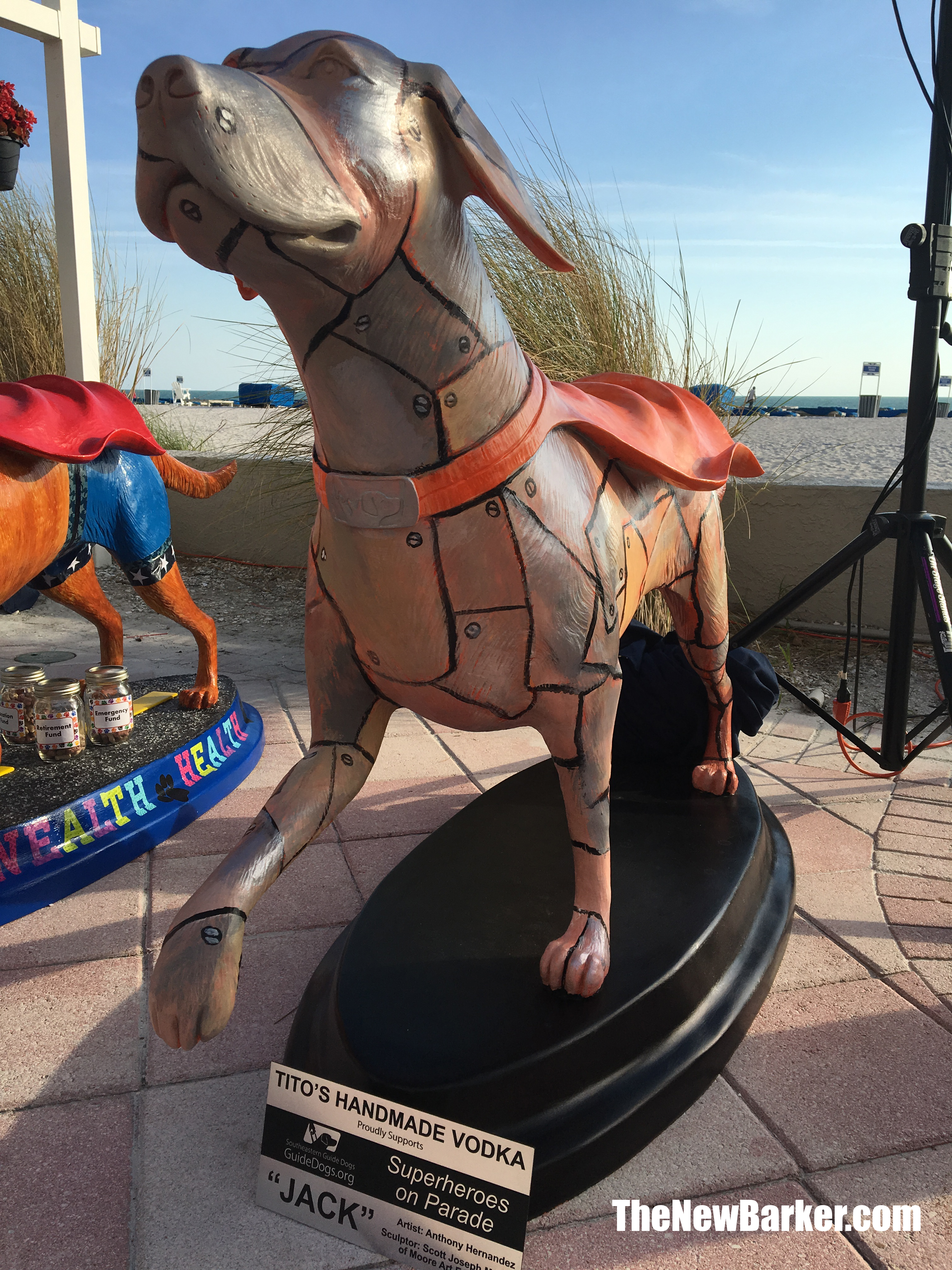
“Jack” by artist Anthony Hernandez. Sponsored by Tito’s Handmade Vodka. Photograph by Anna Cooke.

Two of the most moving creations were sponsored by Jim Barge and Dawn McKnight. Rigby, created by artist Debbie Marucci, honors the brave Americans lost in Operation Red Wings. And “The Protector” Murph, created by artist Zach Gilliland, honors American hero, U.S. Navy SEAL and Medal of Honor recipient Michael P. Murphy, killed in action in Operation Red Wings.

“The Protector Murph” by artist Zach Gilliland. Sponsored by Jim Barge and Dawn McKnight.
“Rigby” by artist Debbie Marucci. Sponsored by Jim Barge and Dawn McKnight. Photograph by Anna Cooke.

When Shauna English spoke about her Southeastern Guide Dog PJ, there wasn’t a sound at the reception, except for the soft sniffles from a very moved crowd. “She is my Guide Gal,” Shauna said, “She constantly tells me that she is the most beautiful Lab ever. And I believe her.”

Shauna’s story begins almost two years ago, over Memorial Day weekend. She lost her vision following a stroke in her optic nerves. A year to the day later, over another Memorial Day weekend, Shauna woke up with massive headaches. One of her eyes had to be surgically removed as a result of complications from glaucoma.

“My life was just gone until PJ came to me. We’re so in tune – she just knows. And I’m in love. I joke that I came to Southeastern Guide Dogs looking for a soul mate. Instead, I found my heartbeat.”

Shauna shared something her mother always used to say to her, “You can get up, dress up and show up.” And that’s just what Shauna and PJ always do. They dress up and show up. PJ always wears something decorative on her collar that complements what Shauna is wearing.

“I have a confession. Yes, PJ sleeps with me in bed. And, I sing to her constantly.” Shauna shared with her audience that each night, before they fall asleep, she sings this to PJ:

“You are my sunshine, my only sunshine. You make me happy when skies are blue. You’ll never know, dear, how much I love you. Please don’t take my sunshine away.”

“PJ,” added Shauna, “is the light in my dark world.”

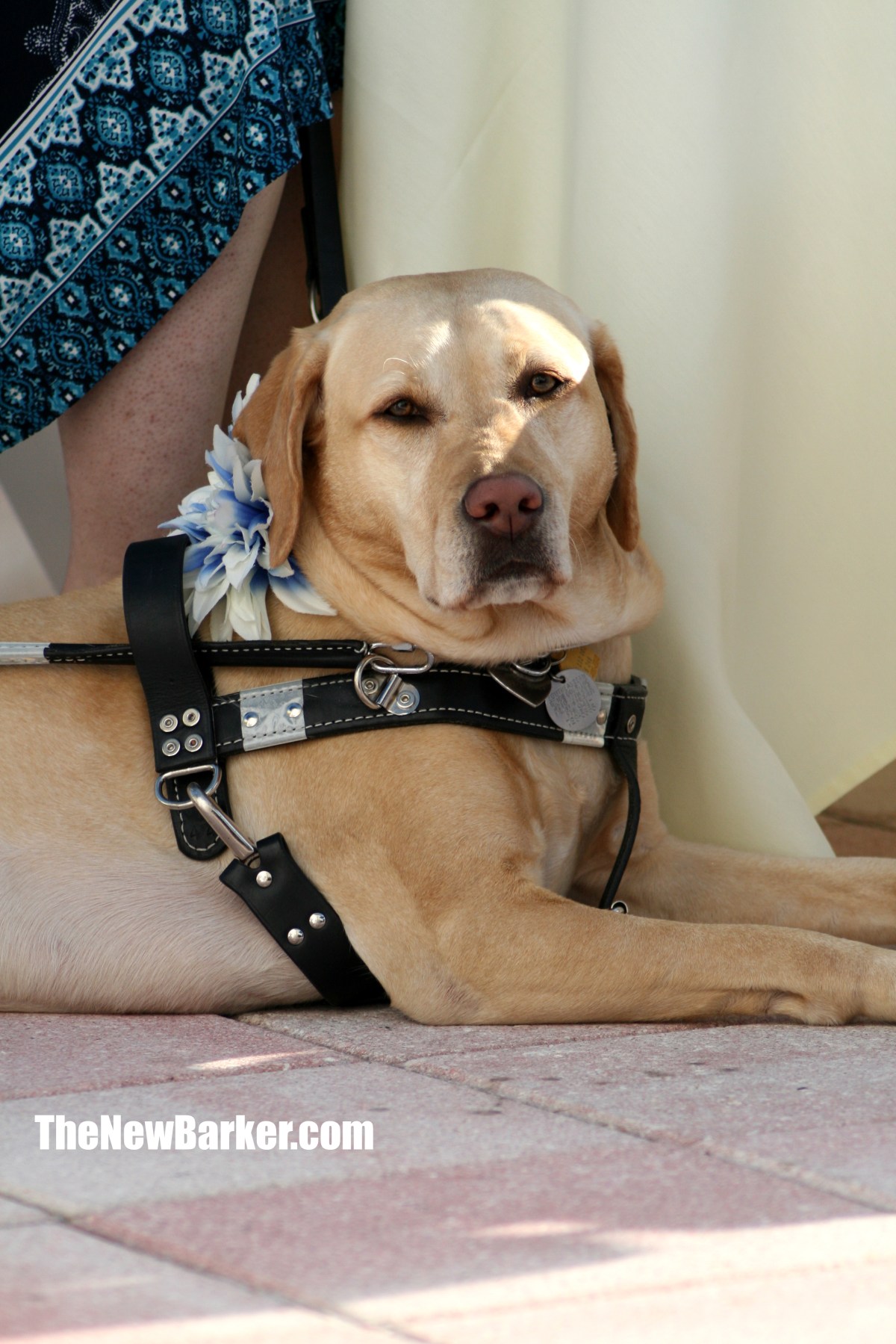
PJ, Shauna English’s light in her dark world. Photograph by Anna Cooke.

Why Do We Need National Dog Fighting Awareness Day?


dog_fighting_signs_A

Today, April 8, 2017,  is National Dog Fighting Awareness Day. The activity may seem out of place in our society, where dogs are considered family members. It’s also a felony offense in all 50 states.

Dog fighters often have dark and violent pasts, even though they may come from diverse social and economic backgrounds, investigators say. Doctors, lawyers, teachers and professional athletes have been arrested in federal animal-fighting busts in recent years. One characteristic all of these people have in common is a love for brutality and money.

Florida has a reputation for having a “prevalent” dog fighting problem even though detailed statistics don’t exist. It’s such a covert operation that it’s hard to measure. What is known, for sure, is that big money drives the industry, especially in breeding “bloodthirsty” bloodlines. Buyers in large operations pay between $5,000 and $10,000 for puppies in a champion bloodline. Of course, there is also money in the fight itself. Dog fighters are also motivated by power, according to Mark Winton, a criminal-justice lecturer at the University of Central Florida.

National Dog Fighting Awareness Day isn’t just another way to fill a calendar box; it’s a necessary measure to help stop one of the most horrific forms of animal abuse imaginable.

The following is an excerpt from a journalist’s account, who went undercover during a dog fight: “The crowd’s roar dulled to a hum as the next two fighters appeared. The previous match had been short, as one contestant quickly outmatched his opponent, mauling him badly and tearing off an ear. But this final fight matched two highly respected and feared combatants. They eyed each other warily as their handlers finished corner preparations. Spectators came to the edge of their seats, and fathers lifted children to their shoulders for a better view as the judge stepped to the center, called the dogs to their scratch lines and yelled, “Let ’em go!” A cheer arose as the dogs charged across the pit and violently slammed into each other, teeth flashing as they sought a vulnerable target.

The dogs came apart once, when the brindle appeared to give up, and turned for a moment. They were returned to their scratch lines and held. Both dogs were breathing hard and bleeding. “Let ’em go,” the judge called again. If the brindle failed to attack now, he would lose. But he was a game dog, and responded to an instinct bred into him over generations and nurtured through training. As the brindle charged across his line, his opponent’s handler released him with the encouragement, “Finish him, Bo.”

Tired and weakened by his wounds, the brindle was slow to meet Bo’s ferocious attacks. Bo grabbed the brindle’s right front leg in powerful jaws, bit and twisted. The “snap” of breaking bone was heard as the brindle was flipped onto his back, while Bo sought a better grip on his opponent’s throat. Remarkably, as the judge ordered the handlers to break the dogs, the brindle tried to crawl after Bo, still intent on fighting. His handler gently wrapped him in a blanket, saying, “No more, boy. It’s over.”

Writer Matthew Bershadker wrote in a Huffington Post blog, three years ago: “It’s not enough to see dog fighting as just a crime. Society discourages, yet tolerates a number of crimes – some are even glorified. But dog fighting is a deep stain on our national character, a cultural embarrassment we should all feel. This is not about just locking up bad guys; this is about doing everything we can to bring this nightmarish practice to an end. We can’t rest until it does. That’s why National Dog Fighting Awareness Day isn’t just another way to fill a calendar box; it’s a necessary measure to help stop one of the most horrific forms of animal abuse imaginable.”

To report dogfighting, call the following tip line: 1.877.TIP.HSUS

Here is a link for possible signs of dog fighting:

Dog_Fighting_Awareness_A

A Bacteria That Can Kill Your Dog.

by Elizabeth F. Baird, DVM, CVPP, CCRT, CVMA

It may be a rare bacteria, but it is ever-present in Florida.  Dr. Baird, of Country Oaks Animal Hospital in Palm Harbor, weighed in on Leptospirosis for The New Barker dog magazine, a year ago in the Spring 2016 issue. It is just as relevant today,  as cases of Leptospirosis is rising.

Leptospirosis, a disease common to many mammals, is caused by a type of bacterium called Leptospira. It seems to be on the rise in dogs the last few decades and has shifted from a rural disease to a suburban and even urban problem. Dr. Carsen Brandt of the Emergency and Critical Care Service at the University of Florida’s College of Veterinary Medicine, has reported a tenfold increase in cases since 2013. There have been fairly recent outbreaks in Fresno, California and Denver, Colorado. Dr. Richard Goldstein of the Animal Medical Center in New York City says he sees cases of Lepto every week, including in dogs that have never left Manhattan. So much for the image of this as a rural disease.

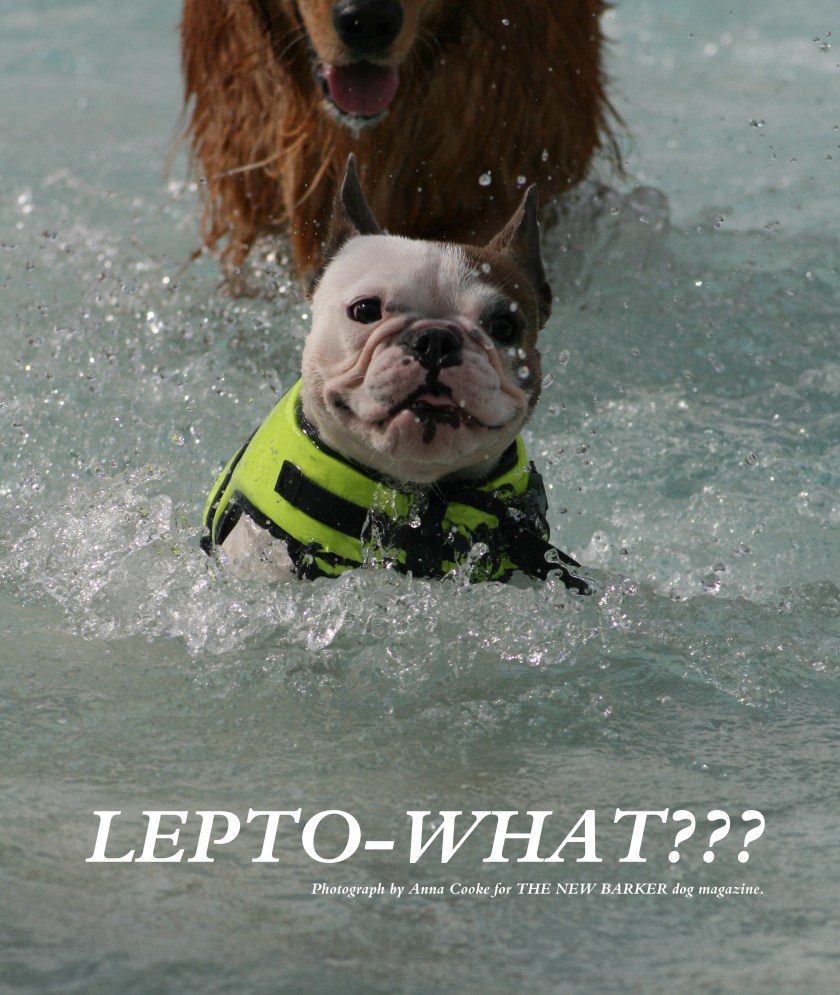
lepto_post_thenewbarker

A typical scenario goes something like this: A raccoon urinates on the grass in a suburban yard or in a puddle at a park during the night. A dog then sniffs or licks at that curious odor while out for a walk the next day. Bingo! The dog has now been exposed to one of the eight strains of Leptospira bacteria that can cause Leptopsirosis in the dog. The bacteria quickly begin to replicate and move into various target tissues such as the kidneys, liver, spleen and central nervous system. The infected dog typically begins to show signs of illness within 7 days of exposure. The severity of the illness can vary considerably, from mild and vague symptoms to acute kidney failure and fairly sudden death.

So, what other wildlife carry these Leptospira bacteria in their urine? In addition to the ever-present raccoon, mice and rats are common carriers of Leptospira and this includes the ubiquitous wood rats and citrus rats that populate most of Florida. The opossum, skunk, deer, cow and pig can carry other infectious strains of Leptospira bacteria. There is some question as to whether squirrels are also carriers for Leptospira.

If a dog contracts Leptospirosis, what happens next?

Unfortunately, the clinical symptoms of the disease are not very distinctive, making diagnosis trickier. The affected pet will usually be lethargic and have a poor appetite, sometimes showing signs of a fever. The majority of affected animals will have some vomiting and about a third will have diarrhea and weight loss. None of this is terribly specific and it sounds like many other illnesses. Routine lab tests may show significant abnormalities in the urinalysis, as well as the kidney and liver values. None of these are terrifically specific either, but it does start to help narrow the diagnosis list. At this stage, the veterinarian is likely looking to test for Leptospirosis. The older Lepto test can take up to a week and won’t catch every patient. A newer type of test, an Elisa test, can be run right in the hospital in under 30 minutes. It’s still not perfect, but it will detect many patients right away. A patient with these symptoms is likely already on intravenous fluids and medication to help with the vomiting and discomfort. A diagnosis of Leptospirosis indicates a need for very specific antibiotics as not all antibiotics will do the trick. If IV fluid support and the appropriate antibiotics are started in a timely manner, the prognosis is good and most patients (80-plus percent) will recover. If it takes longer to diagnose due to the vague symptoms or a delay in seeking medical care, the dog may suffer kidney failure, but many can still be saved with dialysis.

Did I mention that you can catch Leptospirosis too? Yes, it is actually one of the most common infectious diseases in humans worldwide. Thankfully, it is not common in humans in the U.S., at least outside of Hawaii. The odds of catching it directly from your dog are pretty slim, but if your dog has been diagnosed with Leptospirosis, your vet will give you detailed instructions on methods to protect yourself and family. You are far more likely to catch it from swimming in rivers, streams or walking through swampy water. In 2005, 44 out of 192 adventure racers in Tampa (23% of the participants) caught Leptospirosis from running through swampy water. There was an earlier outbreak in Illinois in Triathlon runners. Dogs can contract it directly from contaminated water as well.

Given the large population of potential wildlife carriers and the difficulty in diagnosing the disease early, prevention is a more prudent approach in the areas where Leptospirosis is a risk. The older vaccines (1970’s and 80’s) carried a higher risk of vaccine reaction and only covered two strains. Because of this, they had fallen out of favor in that era and were used only in the higher risk rural areas. Leptospirosis was labeled a non-core vaccine to use only for “at risk” populations. But the definition of which dogs are at risk seems to have shifted significantly in the last decade or two. The rural outdoor large breed dog that was the poster child for Leptospirosis in 1985 is now a fluffy suburban or urban Shih Tzu or Cocker Spaniel. We currently have Leptospirosis vaccines that protect for four strains. They have a much lower risk of vaccine reaction than the older vaccines – and are more highly purified as vaccine manufacturing technology has evolved over the last 30 years. Some internists believe that even though our current vaccines only cover four of the Leptospira serovars, there may be cross-reactivity and some protection from the other infective strains as well. Leptospirosis is very uncommon in vaccinated dogs, regardless of the strain or serovar of Leptospira bacteria involved. It is a series of two doses given 3-4 weeks apart and then yearly boosters.

If your pet tends to be sensitive to vaccines and you’re worried they may react, have this administered separate from any other injectable vaccines. The more vaccines given in one day, the higher the risk of a vaccine reaction, regardless of which specific vaccinations are given.

Given the changes in Leptopsirosis over the last few decades, from the shifts in which strains are causing disease and the populations of dogs being affected, it is time to rethink our approach to managing this dangerous disease. The vaccines are more protective and less reactive than ever before and our suburban house dogs are at a higher risk than we believed possible even twenty years ago. If your dog is not already protected from Leptospirosis, it may be time for a conversation with your veterinarian about the risk factors in your specific area and whether vaccination is appropriate for your beloved dogs. I can assure you that mine are vaccinated against this potentially deadly disease. Raccoons, opossums and citrus rats are rampant in my suburban neighborhood and the risk of potential exposure is real. And all too scary to ignore.

For more on the subject, here is a recent video from CBS Miami.

THE NEW BARKER VETERINARY ADVISORY BOARD INCLUDES: Dr. Elizabeth Baird, Country Oaks Animal Hospital/Palm Harbor; Dr. Mark Brown, Central Animal Hospital/St. Petersburg; Dr. Eddie Garcia, Urgent Pet Care of South Tampa; Dr. Shawna Green, Medicine River Animal Hospital/Madeira Beach; Dr. Timothy Hodge, Harbourside Animal Hospital/Downtown Tampa and Cross Creek Animal Medical Center/Tampa; Dr. Steven Lewis, Davis Island Animal Clinic; Dr. Gregory Todd, Animal Hospital of Dunedin.

“If You See A Risk And Walk Away…

Then hope you never have to say, I could have saved a life that day, But I chose to look the other way.” From a poem by Don Merrill, “I Chose To Look The Other Way.”

by Anna Cooke, Editor-in-Chief of The New Barker dog magazine.

We have a problem in this state. Call it whatever you want: pet overpopulation. Blame it on the irresponsible public, if you’d like. It has reached epic proportions in Miami-Dade. Law enforcement and government officials are turning the other way, saying it’s not their job, not in their pay grade, not in their circle of knowledge.

Small bands of animal advocates are stepping in, but it’s only a bandaid. The problem is growing, and dogs are dying as a result.

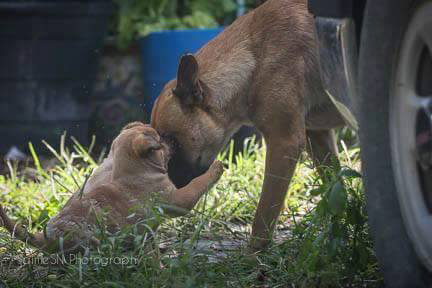
Dogs are being dumped in an area known as the Redland Rock Pit. Volunteers with organizations like the Redland Rock Pit Abandoned Dog Project are trying to help the dogs by either capturing or feeding them have witnessed cars driving up, doors opening to let a dog out, then driving away. In one heartbreaking scene that played out just last week, a German Shepherd Dog chased after his owner’s car. The dog stood on the corner as the white car took off. A volunteer with Racing 4 Rescues coaxed the dog, now named Brady, safely into her car. Racing 4 Rescues volunteers were already in the area with the goal of pulling a momma (another German Shepherd Dog) and her two pups to safety.

momma_looking
Momma and her two pups in the Redland Rock Pit area. Photography by Jaime Wald Seymour-Newton of JSN Photo/Animal Rescue.


momma_two_pups
Her puppies were pulled. But, momma eluded volunteers with Racing 4 Rescues.

Miami-Dade Animal Services is crowded – at capacity. Same story, different town. This, in spite of a grand opening in June 2016 of the brand new Miami-Dade Animal Services Pet Adoption and Protection Center. “The new Pet Adoption and Protection center is a significant accomplishment for our pet loving community and will help Animal Services continue to save lives,” said Miami-Dade Mayor Carlos Gimenez. “We built the best facility to help ensure every pet gets adopted, offer more low-cost spay/neuter services and enrich our life-saving programs,” he added.

Yet, in a response to the Redland Rock Pit problem, the Mayor sent this email last year, around the same time: “The shelter has rescued over 1100 strays from the Redlands/Homestead/Florida City area in this time period (three years). ASD continues to stand ready to respond to any issues identified by volunteers and asks all individuals to provide specific addresses and locations so that they can respond and follow-up on stray animals or cruelty issues.”

Mayor Gimenez, emails and phone calls are going unanswered. The dumped dogs, many of whom are unaltered, are left to fend for themselves. They are breeding, adding to the problem. Cruelty issues include dogs being sacrificed in Santeria rituals. Death by poisoning, or from being hit by cars. Starving to death.  Have you seen some of the cruelties, Mayor?

Welcome to Miami, Florida (warning – graphic images within this video)

Meanwhile, people and businesses from outside your community are coming in to help, donating time, services and food. Resources that could be used to help shelter pets and the pet overpopulation problems in their own communities.

food_pfw
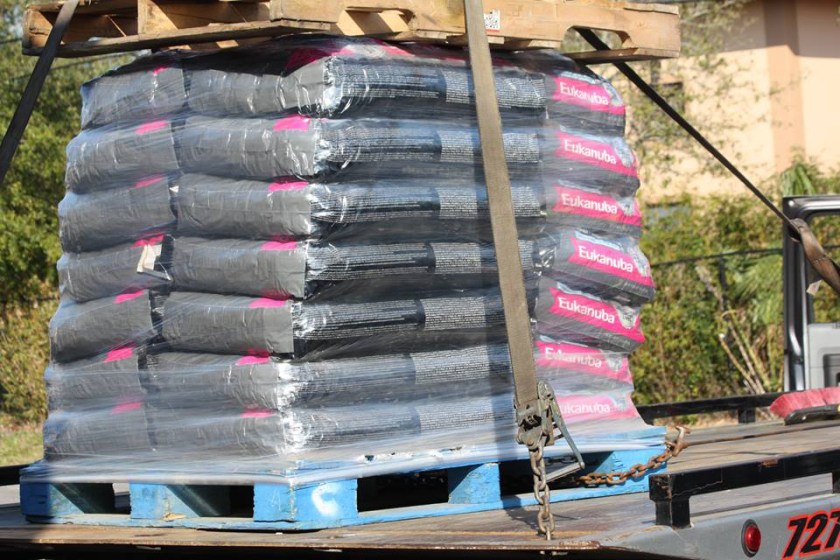
Food, donated by Pet Food Warehouse of St. Petersburg, is loaded onto a truck bound for Miami.
more_food
Yoho Automotive & Towing, owned by Danielle Yoho – also the founder and president of Racing 4 Rescues.

But, your situation, Mayor Gimenez, has moved people to want to help, because it is a problem that belongs to all of us. And yet – no word from anyone in your offices, Miami-Dade Animal Services or law enforcement. Tell us, please, what should your constituents do? What can we, as concerned Florida animal advocates, do? We would love to speak with you. We’d love to hear your take on the situation. It is only going to get worse. My email address is anna@thenewbarker.com

Contact the office of Mayor Carlos A. Gimenez: mayor@miamidade.gov Call 305.375.1880.

Miami-Dade Board of County Commissioners:

District 1 – Commissioner Barbara J. Jordan: district1@miamidade.gov; 305.375.5694

District 2 – Commissioner Jean Monestime: district2@miamidade.gov; 305.375.4833

District 3 – Vice Chairwoman Audrey M. Edmonson: district3@miamidade.gov; 305.375.5393

District 4 – Commissioner Sally A Heyman: district4@miamidade.gov; 305.375.5128

District 5 – Commissioner Bruno A. Barreiro: district5@miamidade.gov; 305.643.8525

District 6 – Commissioner Rebeca Sosa: district6@miamidade.gov; 305.375.5696

District 7 – Commissioner Xavier L. Suarez: district7@miamidade.gov; 305.669.4003

District 8 – Commissioner Daniella Levine Cava: district8@miamidade.gov; 305.375.5218

District 9 – Commissioner Dennis C. Moss: DennisMoss@miamidade.gov; 305.375.4832

District 10 – Commissioner Javier D. Souto: district10@miamidade.gov; 305.375.4835

District 11 – Commissioner Joe A. Martinez: district11@miamidade.gov; 305.375.5511

District 12 – Commissioner Jose “Pepe” Diaz: district12@miamidade.gov; 305.375.4343

District 13 – Chairman Esteban L. Bovo, Jr.: district13@miamidade.gov; 305.375.4831

brady
Brady, the dog left behind in front of witnesses at Redland Rock Pit, is in the caring hands of volunteers at Racing 4 Rescues. He has tested HW negative and is receiving treatment for skin issues.

Conflicted.

conflicted

by Anna Cooke, Editor of The New Barker dog magazine.

Yesterday, during NAVC, the North American Veterinary Community conference in Orlando, the Pet Leadership Council (PLC) announced the results of a study conducted by researchers at Mississippi State University (MSU). The study indicates the availability of dogs in animal shelters is at an all-time low. “The findings come when demand for dogs is increasing to new levels,” a quote included in the press release.

The study was developed to determine how many dogs are entering shelters and what happens to them after they do. It found that shelters take in 5.5 million dogs annually. Of those, 2.6 million are adopted, 969 thousand are returned to owner, 778 thousand are transferred and 776 thousand are euthanized.

“When you consider that it’s estimated as many as 20 million dogs were euthanized a year in the 1970s, it’s truly astounding to see how effective the efforts of shelters and the responsible pet industry have proven,” said Bob Vetere, PCL Chairman. “We believe this new research demonstrating the progress we have made will inspire increasingly strong demand for and focus on efforts to ensure responsible breeding and opportunity to meet the growing desire for dogs in our country,” he added.

“Mississippi State’s study will also have a significant impact on the national conversation about responsible pet ownership,” said Mike Bober, President of the Pet Industry Joint Advisory Council and consultant to the PLC. “Without this concrete data as a starting point, it has been all but impossible to discuss solutions because we couldn’t agree on the scope of the problem. This data also provides valuable information for those contemplating legislation that impacts the availability of dogs in their communities.”

We Don’t Have A Pet Overpopulation Problem? Pardon Me?

The MSU report is troubling. First of all, to put it out there that we have a shortfall of adoptable dogs in this country is irresponsible. The number one cause of death for dogs and cats in the developed world is still euthanasia. Almost a million adoptable dogs are euthanized each year in this country alone. While the numbers are an improvement from the numbers in “the 1970s” we still have a long way to go.

And what about the “778 thousand” that are transferred? Transferred where? This, from the American Anti-Vivisection Society (AAVS): “Colleges and universities obtain dogs and cats that they use in education and training from shelters/pounds; Class B random source dealers, biological supply companies. Pound seizure should not be considered a solution to the cat and dog overpopulation problem. The release of companion animals from shelters and pounds to research and teaching labs erodes the very core of a shelter’s purpose.” By the way, MSU is one of those universities that uses live animals for education and training.

Jeff Young, DVM (and star of Animal Planet’s Rocky Mountain Vet) recently wrote in a blog on Animals 24-7, “We cannot adopt, shelter, warehouse or kill our way out of dog and cat overpopulation. We can demand and change what we do, whom we support and how we support them.” Dr. Young believes that spay/neuter should be our society’s primary focus for controlling the pet overpopulation problem.

“Humane organizations have done a lot of great marketing to make so much out of so little,” wrote Dr. Young. “Many get rich while pretending they generally care about the plight of companion animals, while demonstrating genuine care of fewer and fewer. Humane organizations play with words and statistics to make us feel better about overpopulation, euthanasia and shelters.”

Playing with words and statistics is what the MSU study has done to reach its self-serving conclusions.

I am a proponent of the No-Kill movement, and a fan of Nathan Winograd. Many people in animal advocacy are not, including the editors of Animals 24-7 and Dr. Young. Winograd’s writings are often taken out of context to misconstrue the premise of no kill. It is my belief that as a society, no-kill is something we should at least aspire to. Euthanasia, as a means to control pet overpopulation, is just not the answer.

Rather than paraphrase anything Dr. Young wrote, here is the link to his most recent blog. It is radical, but thought-provoking.